

Name of Research Group
Diversity and Inclusion Research Group (DIRG)
Main research focus and other areas of research interest of the RG
The Diversity and Inclusion Research Group (DIRG) is a coalition of scholars, professionals and stakeholders for innovative initiatives to embrace diversity and promote educational and social inclusion. The group is committed to closing policy-to-practice cum research-to-practice gaps in education and social inclusion through cutting-edge research and initiatives targeting the marginalized and underrepresented groups. Our work is grounded in a commitment to promoting awareness and understanding diversity associated with neurodevelopmental disabilities, mental health of youths, adverse experiences and trauma, as well as gender diversity across Africa. Through sustained advocacy, community engagements, workshops, and public campaigns, we strive to shift perceptions and build supportive environments for neurodivergent individuals, the vulnerable and marginalised groups.
Central to our mission is the advancement of inclusive education through on-site strategic collaboration with educators, parents, and academic institutions and wider society. We establish and sustain strategic partnerships with schools, organizations and stakeholders for grass-root mentorship, teachers’ professional development and parental support, particularly in rural area and areas of poor access. We also provide formidable support service structure for learners and their families, ensuring access to educational tools, counselling, and mentorship programs that enhance both learning outcomes and overall well-being.
In addition, we invest heavily in capacity building by offering trainings, workshops, and resources that empower educators, parents, and caregivers with the knowledge and skills required to effectively support neurodivergent and vulnerable learners and strengthen inclusion. We prioritize access to evidence-based resource, including specialized learning materials, therapies, and support services that contribute to improved educational experiences and mental health for young people and individuals with developmental challenges. Our approach is rooted in community engagement, fostering partnerships with local and international organizations, government entities, and key stakeholders to advance collaborative initiatives that promote diversity and inclusion within schools and communities.
I summary, we conduct policy-relevant research and practices aimed at protecting the rights and improving the inclusion of marginalized groups.
Title of most recent research project
- Smart teaching Training for Neuro-Inclusive Instructional Leadership: A Comparative Action Study of In (Pre)service Teachers (Grant proposal – Europian Research Foundation)
- Excluded in Inclusion: Exploring what jeopardize Inclusive Education practices for Neurodivergent children in Germany, Nigeria and United States of America (Grant proposal – awaiting decision by Spencer Foundation).
- Communicating Childhood Autism in Primary Schools: Combating Stigma and Increasing Access to Education in South-East, Nigeria (Funded by TETFUND NRF 2022).
Up to seven (7) other current or completed research projects
- Developing a Neuro-educational Model for Inclusion of Children with Autism in Africa. Presented at the 10th Neurological Disorders Summit, held in Frankfurt Germany. Monday, April 28, 2025. https://nds.unitedscientificgroup.org/nds-2025/pdfs/NDS_2025-Program.pdf
- The worth or the Work? A systematic review of teachers’ motivation for teaching autistic students in mainstream schools (Under review).
- Teachers’ Prejudices and Opinions regarding inclusion of autistic learners in mainstream schools. (Under review in peer reviewed journal)
- Onyishi, C. N., (2022). Teachers’ use of inclusive education practices for learners with neuro-developmental disorders in Enugu State, Nigeria. Ikenga Journal of African Studies. 23(3), 1-16.
- Onyishi, C. N., Sefotho, M. M., & Victor-Aibodion, V. (2022). Psychological distress among parents of children with autism spectrum disorders: A randomized control trial of cognitive behavioural therapy. Research in Autism Spectrum Disorders, 100, 102070.
- Sefotho, M. M., & Onyish, C. N. (2021). In-school transition challenges among primary school learners with autism spectrum disorders in South Africa: Parents and teachers’ perspectives. Perspectives in Education, 39(2), 283-302. https://doi.org/10.18820/2519593X/pie.v39.i2.20.
- Sefotho, M.M. & Onyishi C.N. (2021). Transition to Higher Education for Students with Autism: Challenges and Support Needs. International Journal of Higher Education, 10(1), 201-213, https://doi.org/10.5430/ijhe.v10n1p201.
- Okeke, F. C., Onyishi, C. N., Nwankwor, P. P., & Ekwueme, S. C. (2021). A blended rational emotive occupational health coaching for job-stress among teachers of children with special education needs. Internet Interventions, 26, 100482. https://doi.org/10.1016/j.invent.2021.100482.
Name of the Coordinator
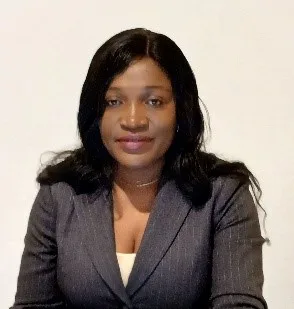
Dr. Charity Neejide Onyishi
UNN email address of the RG
dirg@unn.edu.ng
UNN email address of the coordinator
charity.onyishi@unn.edu.ng
Current webpage of the RG
https://dirg.org, https://www.unn.edu.ng/diversity-and-inclusion-research-group-dirg/
Phone number of the RG
+23480338235801
Phone number of the coordinator
+23480338235801
Base Faculty/Institute/Centre of the Research Group
Faculty of Education, University of Nigeria, Nsukka
Department of the Coordinator
Department of Educational Foundations, University of Nigeria, Nsukka
Headshot of the coordinator
Members and brief profiles (with UNN website CV links)
Note: Insert each member’s UNN staff-profile URL when available. Where non-UNN members collaborate, list their home-institution profile link.
Dr. Charity Onyishi (Coordinator, DIRG)
Dr. Charity Onyishi is the coordinator and originator of the Diversity and Inclusion Research Group (DIRG). She is a Senior lecturer in Educational Psychology, University of Nigeria, Nsukka, an Associate researcher, University of Johannesburg, South Africa and A Humboldt Research Fellow, 2023. She has a powerful reputation in leading research around Neurodiversity, inclusive education professionalism, and learning support. Her research addresses challenges and opportunities for neurodivergent individuals, especially in inclusive education and career development. With several publications and advocacy programs, she contributes to community engagement and community Practice (CoP) for improving inclusive practices for diverse learners. UNN profile/CV: Click| Google Scholar: Click ResearchGate: Click
Dr. Mkpoikanke Sunday Otu (Technical coordinator, Career Counsellor, UNN)
Dr. Mkpoikanke Otu is a dynamic researcher focusing on conceptual development, theory building, intervention trials, instrument development, and practical implementation of purpose-based career coaching for enhancement of career decision-making, career security, career self-efficacy, career/mental wellbeing, employability, transition and adaptability for underrepresented groups. As the coordinator, Purpose-Based Career Coaching Research Group (Pb-CCRg), he brings in strong professional experience into the scalable practice and policy for students, parents and teachers. He refines the engagement packages and brings valuable expertise in program planning and project management. UNN profile/CV: UNN CV link| Google Scholar: Click Here | ResearchGate: Click here
Prof. Liziana Nnenna Onuigbo (General Expert Consultant, Department of Special Education, UNN)
Prof. Liziana Nnena Onuigbo is a Professor of Special Education at the University of Nigeria, Nsukka and a leading Nigerian scholar in inclusive education, disability studies and early intervention. Her published works, spanning inclusive pedagogy, individualized instruction, literacy support for learners with special needs, and culturally responsive curriculum adaptation have significantly influenced special/inclusive education practice and teacher preparation in Nigeria. A consistent theme in her research is improving learning outcomes for children with developmental and learning difficulties, as well as those with visual impairments through evidence-based instructional strategies, assessment methods, and teacher capacity-building. Her expertise directly supports research initiatives on neurodiversity, inclusive school environments, and innovative instructional systems designed for diverse learners. This makes her an essential academic voice and collaborator for projects focused on neurodiversity-inclusive instructional leadership, teacher training, and adaptive learning frameworks.
Dr. Vera Victor-Aigbodion (Senior Lecturer, Educational Psychology)
Senior Lecturer in Educational Psychology with expertise in career transition, self-efficacy, and inclusive education. Collaborates on diversity and inclusive Education studies via project planning, implementation, and interventions. Focusing on students with Autism Spectrum Disorder, she leads student mentoring, supervises research, and designs psycho-educational programmes integrating evidence, empathy, and cultural relevance for diversity-inclusive perspectives and learners’ success. Home-institution profile: Click | Google Scholar: Click| ResearchGate: Click
Dr. Chiedu Eseadi (Doctoral Graduate, University of Nigeria, Nsukka)
Doctoral graduate of the University of Nigeria, Nsukka, specializing in counselling psychology and career transition. Contributes his wealth of experience to Diversity and Inclusion Research, inclusive transition support, and evidence-based practice. Experienced in quantitative and mixed methods designs, programme evaluation, and practitioner training, advancing ethical, culturally responsive guidance services across school, tertiary, and community settings. UNN profile/CV Click here | Google Scholar: Click here| ResearchGate: Click
Dr. Uchechukwu Hope Ekwueme (Department of Educational Foundations, UNN)
Dr. Uchechukwu Hope Ekwueme is a scholar in the Department of Educational Foundations (Educational Psychology) at the University of Nigeria, Nsukka. Her research focuses on learners’ cognitive development, motivation, mental health in schooling, and psychological factors influencing academic performance. She has published extensively on student behaviour, learning difficulties, emotional adjustment, and evidence-based strategies for supporting diverse learners.
Her expertise in educational psychology—particularly in assessment, learning behaviours, and psycho-educational interventions—positions her as a strong contributor to research that advances neurodiversity-inclusive education. She provides valuable insight into how cognitive and affective factors shape learning outcomes, making her work directly relevant to inclusive instructional leadership and supportive learning environments.
Dr. Odinaka Patricia Eze (Department of Educational Foundations, UNN)
Dr. Odinaka Patricia Eze is a scholar in the Department of Educational Foundations at the University of Nigeria, Nsukka, specializing in educational psychology, adverse childhood experiences, learner development, and instructional processes. Her research and publications center on cognitive and socio-emotional factors that influence learning, teacher effectiveness, classroom behaviour, and strategies for improving student adjustment and academic performance.
She has contributed to the advancement of evidence-based psychological interventions, learner-support mechanisms, and teacher professional development. Her expertise in understanding diverse learning profiles, motivation, and classroom dynamics provides a strong psychological foundation for research on inclusive education, neurodiversity-aware teaching, and learner-centred instructional leadership.
Dr. Osita Victor Ossai (Department of Educational Foundations, UNN)
Dr. Osita Victor Ossai is an academic in the Department of Educational Foundations at the University of Nigeria, Nsukka, with expertise spanning educational psychology, counselling, and learner-support systems. His scholarly work focuses on student behaviour, adjustment, mental health in schooling, and the psychological determinants of academic achievement. He has contributed to research on counselling interventions, motivation, emotional regulation, and strategies for supporting learners experiencing academic, social, or cognitive challenges.
Through his publications and teaching, Dr. Ossai advances evidence-based approaches to learner assessment, guidance services, and school-based psychological support. His expertise is highly relevant to projects promoting neurodiversity-inclusive education, teacher competence in understanding diverse learners, and the development of supportive instructional environments.
Christian Sunday Ugwuanyi (Department of Science Education, UNN)
He is widely recognized for his work in educational measurement and evaluation, quantitative research methods, evidence-based teaching practices, and interventions that enhance learning outcomes. His publications span experimental designs, psychometrics, learning analytics, and school-based interventions targeted at improving achievement among diverse learner groups.
He has made significant contributions to impact evaluation, data-driven instructional improvement, and research on factors affecting student performance, especially among learners with academic and cognitive challenges. His expertise in measurement, evaluation, and statistical modelling makes him a critical asset to projects focused on neurodiversity-inclusive education, monitoring learning progress, and assessing the effectiveness of innovative instructional systems.
Chidinma Dede, (PhD candidate, Department of Special Education, UNN)
Is a dedicated and accomplished member of the University of Nigeria, Nsukka. Having obtained M.Ed degree in Educational Psychology, she is currently immersed in the pursuit of a Ph.D. in Special Education. Chidinma’s academic journey is fueled by a profound commitment to understanding and addressing the unique needs of children with disabilities, coupled with a strong passion for the education of gifted and talented children. She is currently contributing to global inclusive education discourse and her valuable contributions to DIRG enrich the team.
Parent Collaborators (3 Lived-Experience Partners)
A group of parents of children with diverse learning profiles who contribute practical insights, contextual understanding, and lived experiences. They help ensure the research design, training tools, and intervention strategies remain relevant, realistic, and responsive to actual learner needs. Parent collaborators serve as key community partners who provide lived-experience perspectives on neurodiversity, home–school dynamics, and the challenges faced by learners with diverse developmental needs. Their insights inform the development of culturally relevant instructional tools, validate intervention materials, and support the co-design of inclusive teaching strategies.
Teacher Collaborators (3 Practice-Based Co-Researchers)
A cohort of in-service and pre-service teachers (Stephen, Chiamaka and Charity) serve as practitioner co-researchers within the Diversity and Inclusion Research Group (DIRG). These teachers bring hands-on classroom experience, contextual knowledge of learner diversity, and practical insight into the dynamics of inclusive teaching across real school environments. Their participation ensures the ecological validity, feasibility, and sustainability of the group’s interventions.
Teacher collaborators contribute directly to the co-design, implementation, and iterative refinement of research activities—particularly within the Smart Teaching System, inclusive pedagogy trials, and action research cycles. Through reflective practice, classroom-based data generation, and continuous feedback, they help validate evidence-based strategies aimed at supporting neurodivergent learners. Their involvement strengthens the link between theory, policy, and everyday instructional practice, helping to translate research outputs into scalable, impactful solutions for inclusive education across schools and communities.
Prof. Ebere I. Adimora (Advisory Board Member, DIRG)
Prof. Ebere I. Adimora is a Professor of Educational Psychology in the Department of Educational Foundations at the University of Nigeria, Nsukka and an accomplished scholar with extensive contributions to developmental, cognitive, and socio-emotional dimensions of learning. Her research portfolio spans academic engagement, achievement orientation, reading culture, psychological wellbeing, learning difficulties, and evidence-based psycho-educational interventions for children and adolescents.
She has published widely in national and international journals, with work addressing learner motivation, school climate, social support, teacher wellbeing, and the psychosocial factors that influence teaching and learning outcomes. Her scholarship also engages with issues of vulnerability, mental health, domestic violence, and resilience—providing a strong foundation for understanding the ecosystem of support needed in inclusive and neurodiversity-sensitive educational environments.
Prof. Adimora brings a blend of empirical depth, developmental insight, and school-based expertise to her advisory role in DIRG. She provides high-level guidance on learner psychological support frameworks, inclusive schooling practices, and the development of culturally responsive and developmentally appropriate interventions. Her presence on the Advisory Board strengthens DIRG’s capacity to design, evaluate, and scale innovative neurodiversity-inclusive instructional systems grounded in solid educational-psychology evidence.
Dr. Chizoba L. Obikwelu (Advisory Board Member, DIRG)
Prof. Chizoba L. Obikwelu is a scholar in the Department of Educational Foundations at the University of Nigeria, Nsukka, specializing in Educational Psychology. Her research focuses on teacher motivation, job satisfaction, learner development, and school-context factors that shape teaching effectiveness and student outcomes. She has contributed significantly to studies on remuneration, job satisfaction, developmental psychology, and school engagement—providing valuable insight into how psychological and contextual conditions influence educational performance and wellbeing.
Her work explores the psychological drivers behind teacher behaviour, student motivation, and school adaptability, making her particularly relevant to conversations on sustainable inclusive education. With experience in research groups and collaborative evidence-based projects at UNN, she brings strong expertise in integrating psychological theory with practical, context-sensitive solutions.
As an Advisory Board Member of DIRG, Dr. Obikwelu supports the development of teacher-informed, contextually grounded frameworks for neurodiversity-inclusive education. Her expertise guides the group in designing interventions that strengthen teacher wellbeing, enhance learner support systems, and ensure realistic, implementable inclusive-education innovations.
Dr. Immaculata N. Akanaeme (Advisory Board Member, DIRG)
Dr. Immaculata N. Akanaeme is a lecturer in the Department of Educational Foundations at the University of Nigeria, Nsukka, with specialization in Educational Psychology. Her scholarly work focuses on teacher wellbeing, emotional literacy, academic adjustment, and the psychological aspects of inclusive education. She has contributed to research examining stress, burnout, and mental-health challenges among teachers working with children with autism and other developmental disabilities—providing evidence-based insights into sustainable support strategies within inclusive learning environments.
Her research on emotional competence, learner adjustment, and psycho-educational interventions strengthens the mental-health dimension of neurodiversity-inclusive education. As a member of the DIRG Advisory Board, Dr. Akanaeme provides expert guidance on psychological wellness frameworks, teacher-support systems, and emotionally responsive pedagogies that enhance the feasibility, effectiveness, and sustainability of the group’s interventions and research initiatives.
10 key publications of the RG
- Onyishi, C. N., Okpoko, C. C., & Victor-Aigbodion, V. (2025). Teachers’ awareness and perceptions of inclusive education for learners with autism: Implications for the campaign against stigma. IKENGA: International Journal of Institute of African Studies, 26(1). 53836/ijia/2025/26/1/004.
- Onyishi, C. N. (2024). Determining the relationship between stress and self-efficacy in teachers working with children with autism spectrum disorder in Enugu State, Nigeria. Journal of Advanced Guidance and Counselling. 5 (2) 105 – 122. https://doi.org/10.21580/gagc.2024.5.2.23692
- Otu, M. & Onyishi, C. N. (2024). A culturally nuanced exploration of adolescent career decision-making and mental health challenges. Journal of Advanced Guidance and Counseling, 5(2), 87-104.DOI:https://doi.org/10.21580/jagc.2024.5.2.24959
- Onyishi, C. N., & Sefotho, M. M. (2020). Teachers’ Perspectives on the Use of Differentiated Instruction in Inclusive Classrooms: Implication for Teacher Education. International Journal of Higher Education, 9(6), 136-150.
- Onyishi, C. N., Sefotho, M. M., & Victor-Aibodion, V. (2023). Psychological distress among parents of children with autism spectrum disorders: A randomized control trial of cognitive behavioural therapy. Research in Autism Spectrum Disorders, 100, 102070.
- Onyishi, C. N. (2021). Children Librarians’ knowledge and attitude towards children with neuro-developmental disorders: Implications for inclusive library services.
- Onyishi, Charity Neejide. “Differentiated Instruction in Improving Students’ Task-persistence in Inclusive Education Settings: The Mediating Effects on Prior-achievement Gaps.” Didaktika: Jurnal Kependidikan 13.3 (2024): 3005-3024.
- Ogba, F. N., Onyishi, C. N., Victor-Aigbodion, V., Abada, I. M., Eze, U. N., Obiweluozo, P. E., … & Onwu, A. O. (2020). Managing job stress in teachers of children with autism: A rational emotive occupational health coaching control trial. Medicine, 99(36), e21651.
- Otu, M. S., & Sefotho, M. M. (2025). Strategies for developing Afrocentric career coaching programmes for neurodiverse college students. In M. S. Otu & M. M. Sefotho (Eds.), Career coaching and employability skills acquisition (pp. 393-434). IGI Global Scientific Publishing. https://doi.org/10.4018/979-8-3693-4014-1.ch015
- Otu, M. S., & Sefotho, M. M. (2024). Examination of emotional distress, depression, and anxiety in neurodiverse students: A cross-sectional study. World Journal of Psychiatry, 14(11), 1681-1695. https://doi.org/10.5498/wjp.v14.i11.1681
Patents / exhibitions / shows / productions
Workshops & Summits (selected):
- • 2024–2025: 1 Awareness focused community engagement program in the UNN).
- Stakeholders’ discussion on inclusive practices (2024.04.30)
- Radio Program for open air consortium on inclusion and the role of educators and parents (May 1 2024)
- Newspaper article advocating for inclusive Education. Newsdiary online May 3, 2025 https://newsdiaryonline.com/stakeholders-advocate-inclusive-education-for-children-with-special-needs/ Newsdiary online May 3, 2025
- Stakeholders advocate inclusive education for children with special needs The Sun Newspaper Sunday, 4th May 2025 https://thesun.ng/stakeholders-advocate-inclusive-education-for-children-with-special-needs/
Bank account details of the DIRG
(To be created when the RG is approved)
Notes & administrative readiness
- Collaborators: The DIRG is open to partnerships with international, national and local institutions/industries and stakeholders.
- Training programmes: The DIRG has developed in-service training and professional development workshops for teachers, social inclusion advocacy programme for remote communities; Smart teaching system professional development delivered online and in person.
- Office/contact: Room 1, Faculty of Education Extension, University of Nigeria, Nsukka.

 W A T
W A T