
UNIVERSITY OF NIGERIA,
NSUKKA, NIGERIA
RESEARCH POLICY
DECEMBER, 2025
HISTORY OF CHANGES
| Date | Description of Changes | Approved by |
| November 2014 | First version 1 of the policy document approved | Governing Council of the University |
| November 2025 | Inclusion of the following sections: |
● history of changes page
● In section 7: Implementation Timeline for Future Review Cycles.
FOREWORD BY THE VICE-CHANCELLOR
The University of Nigeria (UNN) recognizes that the image, reputation and competitiveness of any major university depend largely on the range and quality of its research performance as shown by the output of the university community (Staff and Students). The University comprises 18 Faculties, 27 Directorates/Units, 147 Departments, 10 Institutes, 23 Centres and 7 others
The University of Nigeria aims at carrying out research and creative work of a consistently high international standard that will contribute to the advancement of knowledge and understanding, and to the national goals of innovation, economic and social development, environmental sustainability and that are in line with the fulfilment of the general mandate of the University. UNN commits to fostering an inclusive research environment that promotes equity, diversity, and open access to knowledge, in line with international standards
Although staff and students of UNN have been quite active in undertaking and communicating research outputs, there has not been a systematic attempt to create an institutionalised framework and enabling environment for sustainable research culture in UNN. Most research projects are personalised and so do not outlast their initiators. Moreover, without a credible institutional framework, it is difficult to attract international funding for research.
The University of Nigeria Research Policy (UNRP) will fill this missing institutional framework for the conduct and communication of research findings to the academia and the general public. It sets out the goals and strategies and clarifies existing platform(s) for enhanced research in the University. It should be an essential research armamentarium to different units in the University and I am happy to read and internalise it.
Prof Simon Uchenna Ortuanya
Vice Chancellor
TABLE OF CONTENTS
FOREWORD BY THE VICE-CHANCELLOR……………………………………………………………………………
1.0 INTRODUCTION……………………………………………………………………………………………………………
1.1 Roles of Research……………………………………………………………………………………………………………
1.2 Who should conduct research?…………………………………………………………………………………………..
1.3 Researchers’ Safety…………………………………………………………………………………………………………
2.0 PURPOSE OF THE POLICY………………………………………………………………………………………………..
3.0 ORGANISATIONAL DEFINITION OF THE POLICY………………………………………………………….
3.1 Guiding Principles and Goals………………………………………………………………………………………………
3.2 Academic Freedom and Research Career Development………………………………………………………….
3.3 The Academic Freedom Policy…………………………………………………………………………………………….
3.3 Research Co-ordination and Management…………………………………………………………………………….
3.3.1 Director of Research…………………………………………………………………………………………………….
3.3.2 Research Grants Division (RGD)……………………………………………………………………………………
3.4 Research Grants and Funds……………………………………………………………………………………………
3.4.1 Basic Policy…………………………………………………………………………………………………………………
3.4.2 Internally Funded Research Grants………………………………………………………………………………
3.5. Communication of Research Findings………………………………………………………………………………..
3.5.1 Publications……………………………………………………………………………………………………………….
3.6 Diversity, Equity, and Inclusion in Research……………………………………………………………………….
3.7 Sustainability in Research………………………………………………………………………………………………….
4.0 Scope of the Policy………………………………………………………………………………………………………………
5.0 Responsibilities for Delivery…………………………………………………………………………………………………
5.1 Research Directorate (RD)……………………………………………………………………………………………..
5.2. The Research Office………………………………………………………………………………………………………..
5.3. Research Grants Division…………………………………………………………………………………………………
5.3.1 Faculty Research Committee……………………………………………………………………………………….
5.3.2. Departmental Research Committee………………………………………………………………………………
5.4 Senate Research Grant Committee…………………………………………………………………………………..
5.5 Research Groups………………………………………………………………………………………………………………
5.6 Research Ethics Committee……………………………………………………………………………………………….
5.6.1 Research Ethics, Misconduct and Discipline of Research Staff / Students……………………….
5.6.2. Research Involving Animal Subjects……………………………………………………………………………
5.6.3 Research involving human subjects……………………………………………………………………………….
5.6.5 Radiation Safety Committee…………………………………………………………………………………
5.6.6 Commercialization and links to Society and Industry……………………………………………………..
5.6.7 Management and Protection of Intellectual Property (IP) Rights……………………………………..
5.6.8 Revenue Accruing from Intellectual Property………………………………………………………………..
6.0 Implementation Strategy………………………………………………………………………………………………………
- Bi-annual call for Research Proposals/Grants………………………………………………………………………….
- Collation of Research Plan and Generation of Research Data Base…………………………………………
iii. Promotion of Engagements, Commitments and Partnerships…………………………………………………
7.0 Policy Review and Update……………………………………………………………………………………………………
Acknowledgements…………………………………………………………………………………………………………………..
1.0 INTRODUCTION
The University of Nigeria is committed to advancing knowledge through research and scholarship and to inculcate flair for inquisition and discovery among its academics, researchers, scholars, and students. The University aims at providing an enabling environment that would encourage articulate and well-oganized research that will enhance economic, social and cultural welfare of the society.
The guidelines outlined in this research policy are meant to assist all academics, researchers and students of the University of Nigeria, in the conception, development and execution of resesarch in their respective fields. The essence is to ensure responsible research practice, inspire confidence and offer some level of protection to individual and/or corporate researchers in the University.
For the purpose of this research policy, the University of Nigeria recognizes research as an original investigation undertaken in order to gain knowledge, understanding, and improved mastery of reality, and ultimately solve human/ specific societal problems – be they conceptual problems and/or specific practical problems. It typically involves enquiry of an experimental or critical nature driven by hypotheses or intellectual positions, and capable of rigorous assessment. It is an independent, creative, cumulative and often long-term activity conducted by people with specialist knowledge about the theories, methods and information concerning their field of enquiry. Its findings must be open to scrutiny and formal evaluation by others in the field, and this may be achieved through publication or public presentation. In some fields, the results of the investigation may be embodied in the form of an artistic work, design or performance.
The activities that can serve these purposes include all research and development activities undertaken by staff and students affiliated with the university, including but not limited to basic research, applied research, development projects, innovation activities, technology transfer, consultancy projects, interdisciplinary and trans-disciplinary projects, publicly funded and privately funded projects, collaborative and international research partnerships, and commercialization activities. UNN supports hybrid and virtual research methods to facilitate global collaboration.
1.1 Roles of Research
- Research is primarily for problem-solving: Problems of conceptual confusions, problems of knowledge gap, problems of concrete human needs (education, medical, psychological, socio-political, and so on).
- Research is the intellectual core that drives the activities of human societies generally, and the universities/research centres around the world.
- Research defines the role of the University as a tertiary institution, centre of innovation, partner of industries, and a member of the local and international community.
- Research complements the teaching assignments of all academics.
- Research generates knowledge and constitutes the platform for the University to participate in the global knowledge society and compete effectively in sophisticated knowledge environment
- Research fosters international partnerships and contributes to SDGs, enhancing UNN’s visibility and global ranking.
1.2 Who should conduct research?
- All academic staff (These have are mandated by law to conduct research and publish their research findings in reputable outlets – as books, chapters in books, journals, data curating outlets, art works, and so on).
- Undergraduate and postgraduate students of the University of Nigeria who are involved in research as part of their degree programmes under the supervision of competent and qualified supervisors.
- Research teams or faculty or faculties engaged in Contract research for organizations seeking support in the development of new products and/or solutions to manufacturing, professional development of work Forces, water and climate crises, and so on.
- Non-academic staff, alumni, and external collaborators
- Affiliated researchers, including industry partners and visiting scholars.
1.3 Researchers’ Safety
Every researcher is entitled to a safe and healthy place in which to conduct research. The experimental site must be free from hazards which may cause serious injury or death. The University, by statutory requirement, shall provide adequate security for the experimental materials and the personnel supervising the research. They should also provide for researchers’ well-being such as psychological safety, counseling for high-risk projects and biosafety levels (BSL 1-4) per WHO standards. The safety and health aspects associated with experimentation shall be the responsibility of the researcher. On this premise, researchers are expected to have received adequate training in the proper handling of toxic and hazardous materials in their work environment. Proposals involving the use of toxic or harmful materials which may expose the researcher, the environment and other persons to potentially unsafe situations must be thoroughly reviewed to provide assurance that all the necessary precautions have been taken to prevent potential safety hazards.
2.0 PURPOSE OF THE POLICY
This University of Nigeria Research Policy (UNRP) sets the framework for the development and implementation of research policy in the University. This framework will serve as a guide for academic staff to carry out their required research obligations and for graduate students to engage and be supported in their research. The purpose of the UNRP, amongst others, shall be to:
- Establish the framework for the conduct, organisation and management of research within the University
- Provide the framework for establishing and managing a Research, Development and Innovation Council in the University, with the authority to approve institutional research strategy, allocate institutional research funding, set cross-faculty priorities, review research performance, and adjudicate disputes arising from research governance.
- establish a framework for operating a robust Research Directorate with a high degree of autonomy that is propitious to seamless operational procedures guaranteeing absence of encumbrances; facilitating proposal submissions and accessing international research grant money for the purpose it is meant.
- Specify the University’s research strategy and priority setting.
- Maximise the relevance and impact of research activities to the University and the wider society by supporting national development priorities and catalyzing socio-economic impacts.
- Engender productive research culture and promote positive attitudes towards research activities within the University
- Enhance the global competitiveness of the University in terms of research and innovations
- Foster sustainable capabilities for research within the University
- Promote resource mobilisation, effective utilisation, and management for research and creative works in the University
- Promote global dissemination of research outputs from UNN through publications in relevant outlets including journals, policy briefs and stakeholder engagements.
- Integrate global best practices, including open access and data sharing, for enhanced impact.
3.0 ORGANISATIONAL DEFINITION OF THE POLICY
3.1 Guiding Principles and Goals
The University of Nigeria recognises that the image, reputation and competitiveness of any major university depend largely on the range and quality of its research performance as shown by the output of the university (Staff and Students). The University of Nigeria expects all academic staff to be research-active consistent with the norms and standards of their disciplines and in line with global trends. Consequently, compensations and career advancement particularly at the higher levels are weighted in favour of research output. The University of Nigeria aims at carrying out research and creative work of a consistently high international standard that will contribute to the advancement of knowledge and understanding, and to the national goals of innovation, economic and social development, environmental sustainability and that are in line with the fulfilment of the general mandate of the University.
The Research Policy of the University of Nigeria shall seek to encourage collaborative work and make it possible for researchers to benefit from the intellectual stimulation generated by working in teams. This is intended to encourage ultimately, the evolution of national and global centres of excellence in research starting at the unit/departmental/faculty/centre levels. While priority shall be given to the development of research teams for reasons of its long-term advantage of fostering sustainable development in research capacity, this does not suggest that the individual researcher shall be neglected, or that the academic freedom of researchers will be imperiled. Staff members, who choose to or, of necessity need to work alone or in much smaller groups will be expected to develop sustainable research plans, and shall be held accountable for their research performance in line with the general provisions of this policy, much as they currently are for other aspects of their responsibilities (teaching, administration and community service). They shall also be encouraged subject to available resources. However, the University reserves the prerogative to set research funding direction and priority. In all instances, emphasis shall be placed on high quality research that is sustainable, lead to the regeneration of the university, produce best quality manpower and enhance the international visibility and acclaim of the University of Nigeria.
In line with the foregoing, the University shall seek to take action and institute policy frameworks geared towards the achievement of the strategic focus of the university in becoming a global leader in research and innovation. The research policy of the university shall:
- encourage the development and emergence of high quality research and researchers through appropriate incentives and support for research activities;
- encourage development of research groups and clusters that can grow into centres of excellence in research and by so doing enhance the research profile and international acclaim of the University of Nigeria;
- promote multi-disciplinary research and encourage the formation of strong research teams within and across departments, faculties, centres and institutes geared towards the emergence of the said centres of excellence;
- recognize and reward true excellence in research;
- support research (selectively, if need be), in areas that may be recognized and designated from time to time by the university or the nation as university priority and /or as national priority;
- support researchers, research leaders, heads of departments and deans of faculties and directors of institutes and centres in sourcing for research and innovation funding from such external sources as may be identified from time to time;
- encourage researchers to identify and report patentable inventions;
- take such actions as may be needed, in collaboration with appropriate arms of the University, to achieve patenting of such inventions and the licensing of such patents;
- put in place a framework for the equitable sharing / distribution of proceeds and royalties from patents and licenses between the university, departments and inventors in line with global best practices (see University patent policy);
- determine from time to time the modalities for the control and distribution of university grant fund in such a manner as will engender sustainable growth of university research efforts;
- take such actions as may be necessary to ensure the highest ethical standards of her staff involved in research and inventions, including management and control of such grants the use of which impact on the university’s name, standing and reputation;
- take such other actions as may position the University of Nigeria as a global player and leader in quality research; and
- Identify and promote sustainable and mutually beneficial collaborations and research alliances with other local and international institutions.
- Promote open science and FAIR data to ensure reproducibility.
3.2 Academic Freedom and Research Career Development
Purpose
This policy on Academic Freedom defines rights, obligations and limitations as applied to research and scholarly activity conducted by University of Nigeria faculty members in the course of their academic responsibilities and other researchers and persons who are similarly authorized for the purposes of research and investigative endeavours. University of Nigeria faculties must be committed to the highest ethical standards in their teaching and research. They must be free to examine data, question assumptions and be guided by evidence. Faculty members have an equal responsibility to submit their knowledge and claims to rigorous public review by peers who are experts in the subject matter under consideration and to ground their arguments in the best available evidence. Faculties and university leaders have an obligation to ensure that students’ human rights are respected and that they are encouraged to pursue their education according to the principles of academic freedom. The University of Nigeria Research directorate has the responsibility of ensuring that pressures from funding and other types of partnerships do not unduly influence the intellectual work of the university. UNN offers mentoring programs for early-career researchers.
Definitions
Academic Freedom: The rights to enquire about, investigate without restriction, pursue controversial issues and speak freely about scholarship issues without fear of impairment to position or other reprisal.
Scholarship: The pursuit, creation and dissemination of knowledge through integrity in research and other scholarly initiatives.
3.3 The Academic Freedom Policy
Scholarship is an integral element and essential function at the University of Nigeria. Faculty members and others engaged in research authorized by the University are encouraged to engage in scholarship in order to generate new knowledge, to evaluate, apply and extend knowledge and to express new ideas.
Academic Freedom here generally refers to the ability of a faculty member to engage freely and openly in scholarship, research and innovation activities. It includes the right to question and challenge traditional norms, and the freedom to define research questions, to pursue answers to those questions by way of unrestricted but proper investigative techniques and to disseminate the knowledge gained to students, academic colleagues and the society in general. Academic freedom does not require neutrality on the part of the individual; rather, the expectation for Academic freedom is to make intellectual scholarship, discourse and critique possible without reprisal or repression by the institution, the government or any other person or entity.
However, academic freedom is not an absolute. Individual members of institutions are limited by the degree of autonomy available to the institution, and are subject to legal parameters, professional requirements and peer review. The autonomy of the University of Nigeria is limited by statute, the Law of the Federal Republic of Nigeria establishing the University, ethical review boards and oversight committees as may be found in Section 5.4 of the UNRP.
Academic freedom, as appropriate to an individual’s University appointment, implies protection of the individual by the University from pressure intended to censure or restrict such an individual from otherwise pursuing scholarly and research interests and communicating the results thereof to students, academic colleagues and the world at large. In this context, individuals are entitled to freedom in research and inquiry and in the publication or dissemination of the results, subject to the adequate performance of their other academic duties.
Academic freedom also has corresponding obligations which include a high degree of respect for evidence; integrity in the research in accordance with the conventions of the discipline; impartial reasoning; and honesty in reporting both the underlying assumptions and the results of the inquiry.
Within its means, the University of Nigeria seeks to provide the opportunities, infrastructure, facilities and academic freedom necessary to support and maintain high level of scholarship.
Research and scholarship are conducted ethically and in ways that fully respect human rights as defined in law. Individuals are expected to use their right for academic freedom responsibly, with respect for the rights of others and in a manner that is appropriate to and consistent with the individual’s University appointment.
University of Nigeria faculty members and other researchers as appointed by the University of Nigeria are members of an educational institution whose special position in the world imposes unique obligations, and as such as a group must be cognizant of their position as institutional representatives. When such persons exercise their rights for academic freedom or through individual rights as independent citizens, they should be free from institutional censorship or discipline, but must nonetheless recognize that the public may judge not only their personal credibility but also their profession and their institution by statements, publications or public pronouncements. Hence, faculty and researchers shall be accurate; shall exercise appropriate respect for the opinions of others; and shall clearly indicate whether they are presenting personal rather than institutional views, as the former opinions clearly fall outside the purview of rights associated with academic freedom.
Academic freedom does not confer legal immunity from either criminal prosecution or from a civil action, whether from a claim in damages by a third party or seeking of indemnification and recovery by the University of Nigeria, nor does it prevent peer evaluation as conducted or approved by the University of Nigeria or by other academic, research or professional bodies in the researcher’s field, whether within or outside the University of Nigeria.
All members of the University of Nigeria community who are engaged in research and scholarly activity in the course of their academic appointment, or who are otherwise authorized in writing by the University for purposes of research and investigative endeavours as governed by this policy, are individually accountable to comply with this policy. The University of Nigeria will take appropriate action for breach of this policy.
Academic freedom in the University of Nigeria must be based on institutional integrity, rigorous standards for enquiry, which must follow the university’s set research and educational priorities.
3.3 Research Co-ordination and Management
All the research activities in the University of Nigeria shall be centrally co-ordinated through the office of the Research Directorate (RD) with oversight functions by the Senate Research Grants Committee. The RD is the central coordination office of research and development in the University of Nigeria. The day-to-day activities of the RD will be co-ordinated by a Director of Research to be recruited through an internal/external advertisement and subsequent interview for a tenure of 5 years that is renewable once depending on performance to be determined by the Senate Research Grants Committee. The Director of Research shall be the secretary the Senate Research Grants Committee and the Research Directorate Office shall be the Secretariat for the Committee. The RD office will also have at least two research officers, who will work with the Director, in the rank of Senior Research Fellow/Senior Lecturers attached to it, for a period not exceeding 2 years after which others from other departments and faculties are appointed. The RD will also have a secretary, a typist and a messenger attached to it.
The RD will have four major divisions attached to it each to be headed by a deputy Director. These are the Research Grants Division, Research Communications Division, Research Ethics Committee and International Linkages Division. The four divisions will be coordinated by the RD. The College Research Committee, Faculty Research Committee and Departmental Research Committee will be linked to the RD through the Senate Research Grants Committee.
3.3.1 Director of Research
The key responsibilities for the Director of Research are taking a leadership position to: Review and institutionalise the existing UNN Research Policy within the Faculties, Institutes, Centres and other academic hubs within the University of Nigeria; Develop and implement an UNN research strategy and activities consistent with overall university mission and vision; Build and Strengthen the RD; Plan the Research budget of the University and grow the research income of the university; Provide day-to-day guidance and direction of research activities by coordinating the work of the four RD Divisions and academic units; Coordinate and liaise with TETFUND and other federal research funding agencies; Develop and implement a monitoring and evaluation framework for research development and innovation in the University. This will include the regular tracking and uploading of research outputs from UNN on the UNN website; Develops networks and collaborations with local and international research funding agencies, celebrated researchers and academic institutions; Develop standard operating procedures for the conduct of research in the University to ensure compliance with best practices and integrity in all research activities; Develop and facilitate capacity development activities, hands-on coaching, feedback, mentoring and support to staff and students in the University in undertaking and communicating research findings; Promote multidisciplinary and interdisciplinary research; and Provide proactive advice to the Vice-Chancellor and heads of academic units on the research infrastructure needs of the University of Nigeria.
The educational and research experiences that are imperative in a RD are: Must have a PhD or its equivalent in any discipline; Should have at least 7 years cognitive experience in undertaking multidisciplinary research and managing research projects; Must have previous experience in managing research projects/ international grants and have proven astute administrative skills; Should be an internationally credible and influential academic/researcher; Must have very strong technical and leadership skills that can be used to satisfy the needs of a diverse academic community. S/he should have an ability to lead and direct the work of other people with diplomacy, equity and efficiency.; Should have demonstrated ability to work and collaborate with diverse groups of people and organisations; Should have a proven track record of attracting research and/or innovation grants from international funding agencies; Should have the ability and experience to communicate research findings to diverse audiences. A good publication history (at least three (3) most recent publications in the last 2 years before appointment) will be an advantage; Should have hands-on experience and proficient with use of Information Communication Technology (ICT) and some basic computer software packages; Should understand basic statistics and some data analytic methods; Must have very good written and oral communication skills; and Should be able to multi-task and meet deadlines.
3.3.2 Research Grants Division (RGD)
The RGD will serve as a research proposal clearing house for the entire directorate. Being a research clearing house it will have a minimum of 2 ex-officio members each elected from faculties across the University. The team will form the group of experts responsible for final inputs on research proposals. All proposals to be internally funded by the University and those for external funding (if the investigators so wish) will go through the office for final vetting before submission.
All research proposals that will be funded by the University or funded through funding available to the University such as funding from TETFUND shall be approved by the Research Directorate. The research proposals involving animals, human subjects, genetically modified organisms and radiation materials shall be approved first by the appropriate Departmental and Faculty ethics committees before being forwarded to the relevant Central ethics Committee to ensure compliance with standards and guidelines spelt out in the policy. Applications for ethical approvals must be granted or rejected, as the case may be, within 60 days of receipt of the application. Any change in protocol must be notified and revalidated by the appropriate ethics committee. All research proposals should as much possible be subject to peer review at the Departmental and Faculty levels before they are submitted to the RGD for final recommendation to the RD for forwarding to the Senate Research Grants Committee for final approval. In case of student projects, supervisors must take all reasonable measures to ensure that student research is conducted in compliance with the research policy.
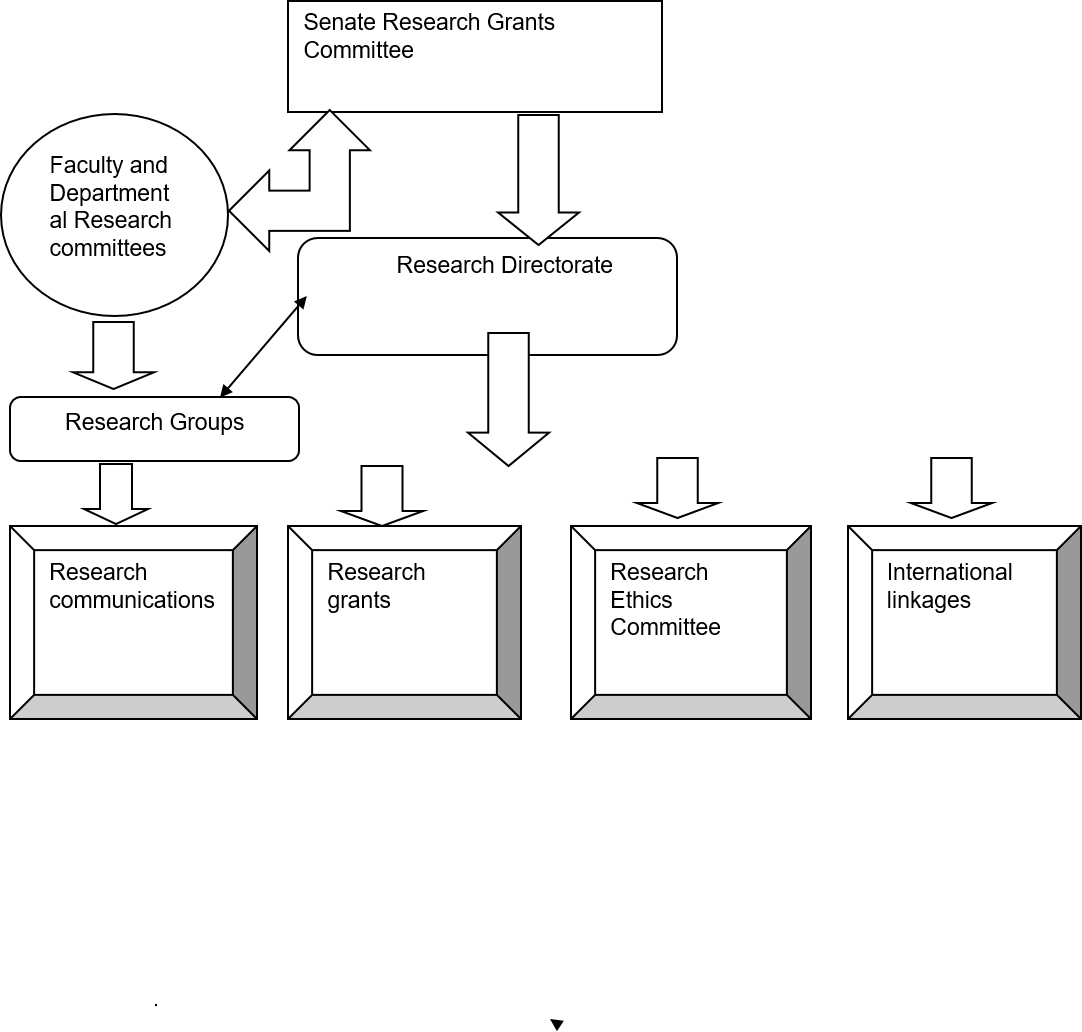
Figure 1: Overall Research Administration
3.4 Research Grants and Funds
3.4.1 Basic Policy
The University recognises the freedom of staff and students to engage in research activity provided that research for and on behalf of the university or using the university’s resources does not, in any way, create or have the potential to create a conflict of interest or compromise the integrity of staff, students or the university or compromise universally acclaimed ethics in research which the university shall strive at all times to uphold. Notwithstanding this, the university reserves the right to identify priority areas to which its resources may be targeted in line with the desire to create national and international centres of excellence. These priorities may change from time to time in accordance with national and global imperatives.
In line with the strategies for strengthening research in the University:
- Proposal for funding should emphasize capacity building and mentoring. Research proposals with the capacity to impact on training of junior researchers may be given priority funding. Consequently, proposals that are linked to postgraduate research shall be encouraged.
- Marketable research projects shall be encouraged. Proposals that do not clearly demonstrate ability to improve the local and international image of the University by way of publication and research dissemination plan shall not be considered.
- Research proposals should clearly state the portals for the dissemination of research findings. Projects that are not able to clearly state the possibility of producing publishable materials and / or patents shall be discouraged. Proposals should state target journals or outlets for the dissemination of data generated from the research. Researchers, who are unable to creditably publish the result of funded project, may not be able to access grants in the future except an acceptable reason is given as to why funded research is not published as planned in the application.
- It is suggested that travel and logistics support should not constitute more than 50% of total grant funding and not more than 20% for laboratory based work. Use of grant fund for purchase of research equipment that will outlive the funded project shall be particularly encouraged. SRGC shall not encourage the use of university grant for the purchase of personal computers and personal accessories, although high-capacity accessories (such as enhanced printers) that may serve other members of the faculty may be considered.
- Each funded project should, in addition to the journal publication, be able to sponsor participation in and presentation (poster or oral) of at least one paper at a national or international conference. Participation at local conferences for the presentation of results of SRGC funded research should be financed from the grant (and be provided for in the application) and not be charged to other university travel support.
- Research proposals should incorporate sustainability statements. Funding of pre-existing (externally funded) and successful research shall be particularly encouraged where such support shall lead to advancement of existing project.
- Proposal for counterpart funding of externally funded project are particularly encouraged. Such applications must be accompanied with a full copy of the externally funded proposal including financial and expenditure plan.
- All research funds that are available to the University should be managed by the RD under the direction of the Senate Research Grants Committee.
3.4.2 Internally Funded Research Grants
University of Nigeria Senate Research Grant (Standard Grant and TETFUND grant)
The policies pertaining to Senate Research Grants shall derive from the University Research Policy and decisions relating to the award, management and control of senate research grant shall be as published from time to time. The Senate Reasearch Grant Committee (SRGC) shall exercise broad discretion within the bounds of these policies and shall decide, among others, on the number and maximum amounts of grants, timing of grant calls, application details and deadlines. The committee shall also decide priority research areas and sundry.
Local research fund from Tetfund shall be fairly distributed among the Faculties, Centres and Institutes of the University. However, the research group(s) in the Faculties, Centres, and Institutes shall be held accountable for the proper use of the research funds given to them.
Senate Research Grant shall be in four categories viz:
1. Beginners Research Grant
This grant is for members of academic staff who are at the early stages of their career (Assistant Lecturer – Lecturer 1). In all cases, the application must have a research mentor (ie senior academic) attached before it will be approved.
2. Senior Academics Research Grant
This grant is for members of Academic staff from the rank of senior lecturer to professor. The research proposal for the grant must be demand-driven targeting at least one local problem.
3. Group Research Grant
This grant is essentially for collaborative research preferably those with multi or trans disciplinary approach.
4. Equipment Grant
This grant is for the purchase of multi-user research equipment which may be put in a central laboratory for common use
iii. Externally Funded Research Grants
All researchers are strongly encouraged to pursue external funding to support their research and attract additional financial resources to the University. The RD shall assist in the peer review of all research proposals prepared for external funding. The directorate shall also assist in finding funders for prospective researchers through electronic databases and individual consultations and from time to time distribute newsletters or web-based announcements concerning available funding opportunities. All researchers are therefore encouraged to consult with the RD in the early stages of proposal preparation to receive the specific guidelines of the prospective granting agencies. The University will charge indirect cost on the total cost of all externally funded research projects in line with the terms and conditions of the funding agency. The entire grant money will be kept in a research account to be overseen by the RDI under the direction of the Senate Research Grants Committee. Out of the indirect cost, RD shall keep 6% and remit 4% to the University. The disbursement of the remaining 90% to the researchers shall be the responsibility of the Research Directorate. A dedicated account shall be created for the RDI/CE for this purpose.
Sponsored Research
1.The university should ensure that all sponsored research are compatible with regular programmes conducted by the University.
- Research funds should not be sought or accepted by the University simply because they are available but because they have the potentials to strengthen its capacity to achieve its primary mission.
- Except in classified or proprietary work performed under the direction of the RD, sponsored research must be compatible with the spirit of freedom of inquiry and the rights for publication must be fully guaranteed for the researcher and the university. The University of Nigeria recognizes the legitimate proprietary concerns of industrial sponsors. Where appropriate, publications can be deferred for a limited period of time in order to protect patent or other rights as agreed between the university and external sponsors. The Deputy Vice Chancellor (Academic) shall have final say as to the length of such deferment. Similarly, on those occasions where the University has accepted a sponsor’s proprietary information as necessary background data for a research project, arrangements can be made for the sponsor to review proposed publications in order to identify any inadvertent disclosure of such data.
iv. Grants for Conference Attendance
Local Conference (Conference within Nigeria)
For purpose of this grant, a local conference is a conference holding within Nigeria even if it is of an international stature. This grant offers partial support for travel to conferences and workshops and other academic activities. This grant shall be administered by the Senate Research Grants Committee in consultation with the Vice Chancellor who shall have the final authority to approve / refuse a travel support. The Vice Chancellor may approve directly or through the DVC Academic. The grants are readily available from TETFUND and other funding sources.
Basic Policy
- Subject to availability of fund, all members of the academic staff on regular full-time employment with the university shall, upon spending not less than two academic sessions in full time employment with the university, be entitled to a maximum of one (1) support to a National conference / workshop or academic activity with relevance to the extant research focus of the Department or unit in a year of 12 calendar months.
- Preference shall be given to attendance to a meeting of the researcher’s national professional body or to such other conference, being determined to be relevant to the professional development of the researcher, and able to enhance the visibility of the University of Nigeria.
- Participation at the activity shall be defined to mean presentation of a paper or poster or an exhibition or such other form of active participation / presentation as may, from time to time, be defined for purpose of this support. Support to attend a training workshop, symposium or a study institute may not be contingent on the candidate presenting a paper or poster if such is not part of the meeting.
- A researcher who is a recipient of a standard grant in which provision has been made for local travels may not be eligible for another travel support for the same period during which the regular grant fund was utilized (counting from month of first accessing the grant). A second travel support may be approved for such a grantee if the first has been utilized, and where further research result dissemination is justified. A member of a funded research team who has not travelled using the travel grant is eligible for travel support, and thereafter may not apply for travel grant of the nature envisaged here for 12 calendar months counting from the month of obtaining the travel support.
Some Considerations
- Intending participant shall provide the research office a minimum of sixty (60) days’ notice to the conference or workshop. However, some funding sources such as TETFUND may require up to 6 months’ notice for funding to be considered.
- Application for academic travel support must be made in the prescribed academic travel support application form (SRGC ATS 01) or format provided by the funding bodies such as TETFUND and submitted in triplicate through the SRGC to the Vice Chancellor (DVC Academic), and must provide full details relating to the conference including evidence of support or lack of same from the conference organisers.
The SRGC shall from, time to time, advise the Vice Chancellor on standards for local academic travel support.
International Conference (Conference outside Nigeria)
For purpose of this grant, an international conference is a conference holding outside Nigeria. This grant offers partial support for travel to conferences and workshops and other academic activities holding outside Nigeria. This grant shall be administered by the Senate Research Grants Committee in consultation with the Vice Chancellor who shall have the final authority to approve / refuse a travel support. The Vice Chancellor may approve directly or through the DVC Academic. The grants are readily available from TETFUND and other funding sources.
Basic Policy
- Subject to availability of fund, all members of the academic staff on full time employment with the university shall, upon spending not less than two academic session in full time employment with the university, be entitled to a maximum of one (1) support to an international conference / workshop or academic activity with relevance to the extant research focus of the Department or unit in 3 calendar years.
- Preference shall be given to attendance to an activity in the researcher’s critical research area (attestation of the Head of Department shall be given consideration in assessing application for support), and to activity that shall enhance the international visibility of the University of Nigeria.
- Participation at the activity shall be defined to mean presentation of a paper or poster or an exhibition or such other form of active participation / presentation as may from time to time be defined for purpose of this support. Support to attend a workshop, symposium or study institute may not be contingent on the candidate presenting a paper or poster if such is not part of the workshop.
- Staff who receive support to attend and participate in an international conference or workshop shall be required to present a departmental or faculty seminar or workshop and submit a brief narrative report of not less than 1200 words as part of the retirement / final report on the grant. It shall be the responsibility of the grantee to notify the Research Office of the fixture for the seminar or workshop where applicable and ensure that the research office is represented at such a meeting.
Some Considerations
Intending participant shall provide the research office a minimum of ninety (90) days’ notice to the conference or workshop. However, some funding sources such as TETFUND may require up to 6 months’ notice for funding to be considered. Application for international academic travel support must be made in the prescribed academic travel support application form (SRGC ATS 02) or a format provided by the funding bodies such as TETFUND submitted in triplicate through the SRGC to the Vice Chancellor (DVC Academic). Application for international travel support must provide unequivocal evidence of having applied for travel support from organizers of conference and the non-availability of such support from the conference secretariat. SRGC may request evidence of visa application or procurement for processing of application. Applications submitted retrospectively shall not be considered by the SRGC.
The SRGC shall, from time to time, advise the Vice Chancellor on standards for supporting travels for academic purposes.
In considering application for international travel support the SRGC shall consider the following:
- The general level of the applicant’s participation in scholarly /professional national associations. Candidates who show no evidence of prior participation in national/ local academic or scholarly activity shall not be funded to attend international conference/ workshop
- When the applicant last received similar support, (preference is given to those who have not been supported recently (i.e., within the last 48 calendar months.)
- Detailed information (in print) relating to the meeting (acknowledgement of first letter of application if travel support application is made less than 90 days to commencement of conference/ workshop; letters of acceptance of presentation and/or an invitation to participate) must be included.
- As a rule, no awards will be made retrospectively. However, the Vice Chancellor may grant waiver to this rule. It shall be the responsibility of the applicant to obtain this waiver. Application for waiver must be made to the Vice Chancellor prior to travel. In the event of a waiver, a retrospective application must be submitted not later than one week from the end of the conference or as soon as the waiver is obtained if latter. Such a retrospective application must include evidence of conference participation (including date and photographs taken at presentation or poster session) and a copy of the published abstract of proceedings.
- Other than for staff of the rank of lecturer II and below, any academic who has not published in a very high quality / internationally visible peer reviewed medium in the last 30 months may not apply for support to attend an international conference. Preference shall be given to publications that have high impact factor in disciplines whose principal media of publications have impact factors. In disciplines where impact factor media are not readily available, consideration shall be given to very high-quality peer reviewed scholarly works that are properly published and internationally visible. (Mere availability of a material or journal on the Internet may not be taken to imply “very-high quality peer reviewed scholarly works that are properly published and internationally visible” as used here). SRGC should not accept editor’s acceptance letter as evidence of publication unless it is a high value international medium with proven / verifiable long publication waiting list/ time.
- Staff (subject to the rank considerations stated in the paragraph above) who does not show any evidence of peer reviewed publication in the last 36 months may be denied international academic travel support. Consideration may be given to staff members who have served the university for less than 36 months and those who, being active doctoral students in the last 24 months have shown remarkable progress as attested to by the head of Department or the Chairman of Departmental Research Committee or Chairman of the Departmental Postgraduate Committee (not being the candidates supervisor). Such staff should have attended and participated in a local/ national conference.
3.5. Communication of Research Findings
3.5.1 Publications
Research may be said to have been carried out if the result is published in a form that is available to the wider world. Hence, the University places a premium on the publication of results of research carried out by staff and students in the most visible media available. Staff and students of the university are encouraged to publish the results of their research in such media as will enhance the international visibility and acclaim of the university and her researchers. In line with the importance placed by the university in the publication of research results, the comparative assessment of theses in the university for the purpose of university level awards and or presentation for any national / international awards shall be based on profiles that place not less than 50% weight on the publications (quality and quantity taken together as may be developed from time to time by the assessing unit) arising from such theses. Similarly, awards to academic and research staff shall emphasize publications of such staff.
The University also recognizes research and research–led teaching as primary responsibilities of its academic staff. It places value on fostering, publishing, and disseminating research of the highest international quality and university research should serve to develop intellectual independence and promote community learning.
As a general principle, the University should reward staff members that publish their research outputs in high impact international journals. Publishing in journals with Clarivate Analytics impact factor (IF) and Science Citation Index Expanded (SCIE) with Q1 and Q2 should attract a reward to be determined by the directorate according to availability of funds. To qualify for the above cash reward, the staff member of the university must be the first and corresponding author using the email and contact address of the University of Nigeria. The responsibility to reward researchers who publish in the afore-stated journals shall be that of the Research Directorate.
This will incentivize academics to publish their findings in top quality globally accessible media. In addition, the University may pay the publication charges for papers where a University of Nigeria staff member is the first named author that are accepted for publication in journals that have the standard Thomson Reuters impact factor, especially in high impact factor journal of 10.00 or above.
i. Publication of University of Nigeria or Government funded research
The University research should aim to serve a public rather than a private purpose and research results should be widely disseminated in very timely manner. The University encourages her researchers to publish the result of their research efforts in the internationally most visible and highest-ranking medium in their field. Even results of research that address local and peculiar problems are better published in the internationally most visible journals. Such publications serve the interest of the university, the researcher and the target audience better because of their reach. Where it is necessary to serve specialized local interest, dissemination of research result through local conferences may be used to augment the need for internationally visible publication.
While the university encourages publication in very reputable and visible local journals, it expects to remain internationally relevant by publishing her best researches in the most competitive international journals. (The University shall encourage journal publication by departments/centres/institutes/faculties and support such journals in attaining international visibility).
All research outputs published by staff and students of the university should clearly show the affiliation of the researchers to the university. It is also recommended that works published by staff and students of the university shall bear University of Nigeria domain specific email address relating the investigator to the university. These make for greater internet visibility of the university.
Grantees who do not publish the result of their research may be denied further research support. Publications arising from university grant funded project must have a member of the research team as the principal investigator and corresponding author. Only such publications acknowledging university support may be accepted as evidence of publication of the result of grant funded research. All publications from funded research must be deposited in UNN repository within 6 months.
The University of Nigeria also recognises the legitimate proprietary concerns of industrial sponsors. Where appropriate, publications can be deferred for a limited period of time in order to protect patent or other rights as agreed between the university and external sponsors. The Deputy Vice Chancellor (Academic) shall have final say as to the length of such deferment. Similarly, on those occasions where the University has accepted a sponsor’s proprietary information as necessary background data for a research project, arrangements can be made for the sponsor to review proposed publications in order to identify any inadvertent disclosure of such data.
The contribution of any funding body must be acknowledged in any publication arising from such funded research. It is mandatory for SRGC research funding to be acknowledged in publications arising from such research.
ii. Publication of Result of Private, Contract and Commercial Research
The University expects that the result of any research carried out by its staff and students shall be published irrespective of the source or nature of funding of such research. Therefore, research contracts shall be expected to have in them clause to the effect that:
“The sponsoring agency agrees that the Project Supervisor / Principal Investigator and researchers may, at any time during the course of the research, publish the findings of the research in the form of discussions at scientific meetings, review articles, or scientific papers in research journals” or such other statement as shall imply that the researcher have free hand to publish the result of the research.
However, the University recognises that for certain reasons certain research results may not be published immediately or over certain periods, or that the publication of the result of certain research may be delayed. In that case it can be agreed that any paper intended for publication be submitted to the sponsoring agency for their information and comment at a reasonable time before the expected date of publication or release. The sponsoring agency may also be able to review technical papers prior to their publication. Where a sponsoring agency requires that publication of research result be delayed for reasons of patenting or for such other economic considerations then the approvals of Deputy Vice Chancellor (Academic), the Patents and Innovations Office must be obtained. Where publication of research result may be delayed for security consideration or for reasons of “National Interest” an approval shall have to be obtained from the Vice Chancellor at time of signing of research contract to the effect that the result of such investigation may not be placed in the public domain for such periods as the agency may require and agree with the university. The university reserves the right to seek special compensation for conducting such research and may negotiate this at the time of initial contract.
iii. Publication of other externally funded research
The result of research funded by international or multilateral agencies shall be subject to need for speedy publication similar to SRGC and government funded research. The University expects that the result of any research carried out by her staff and students shall be published irrespective of the source or nature of funding of such research. Therefore research contracts shall be expected to have in them clause to the effect that:
“The sponsoring agency agrees that the Project Supervisor / Principal Investigator and researchers may at any time during the course of the research publish the findings of the research in the form of discussions at scientific meetings, review articles, or scientific papers in research journals” or such other statement as shall imply that researcher have free hand to publish the result of the research.
3.6 Diversity, Equity, and Inclusion in Research
UNN commits to eliminating barriers; grants prioritize diverse teams (to be populated)
3.7 Sustainability in Research
Research must minimize environmental impact; proposals include sustainability statements (to be populated).
Sources of Funding:
- Internal Funding: Institutional seed grants, postgraduate research fellowships, faculty research incentives.
- External Funding: National research councils, international donors, industry contracts, philanthropy, alumni endowments.
- Cost-Sharing & Matching Fund: Institutional co-funding policy for externally won grants (e.g., overheads, labs).
- Overhead Fund: Transparent indirect cost rate applied to all external grants; portion allocated to RD, faculties, and PI.
- Research Trust/Account Fund: account dedicated for research income; disbursement rules and auditing schedule.
4.0 Scope of the Policy
This is a University of Nigeria-wide policy.
The scope of the policy covers all research and development activities undertaken by staff and students affiliated with the university, including but not limited to basic research, applied research, development projects, innovation activities, technology transfer, consultancy projects, interdisciplinary and trans-disciplinary projects, publicly funded and privately funded projects, collaborative and international research partnerships, and commercialisation activities. It includes remote/international research; but excludes non-affiliated personal work.
5.0 Responsibilities for Delivery
5.1 Research Directorate (RD)
- The Research Directorate shall have the overall responsibility for the management of the research affairs of the University of Nigeria. The RD shall regulate all activities related to internal and external grants and research that are implemented in the university by all full time and part time staff of the university or that deploy other resources of the university.
- The RD shall also administer / superintend all grants made by the university or by any external body the implementation or outcome of which may impact the name and integrity of the University of Nigeria, or the implementation of which shall draw on the time of staff or other such human and material resources of the university as may from time to time be defined by the university.
- The RD shall provide information and services in support of research activities carried out within the University of Nigeria and funded from both internal and external sources including government agencies, non-commercial foundations, trusts and charities.
- The RD shall assist the University community in gaining and managing research grants and contracts, while also taking strategic actions to ensure that the University engages effectively with funding bodies, end users and the private sector nationally and internationally.
- The RD shall spearhead the development of outcome-focused funding applications across disciplines and organizations and supervise and coordinate the development and implementation of departmental, faculty and university level research policy and strategic plan in line with the strategic plan of the University of Nigeria.
Other research related services provided shall include but are not limited to:
- Identifying funding opportunities and providing the support necessary for members of the university research community to apply for and access such funds,
- Targeting funding opportunities to research disciplines,
- Proposal review and assistance with submission,
- Interpretation of funder guidelines and the monitoring of the implementation of research and contract requirements to ensure maintenance of excellent relationship between university and funders,
- Budget assistance, contract review and acceptance
- Establishment of research accounts (with the University Bursar) and assisting grantees with the management of external grants so as to ensure the protection of the research integrity and external image of the university. Funds drawn from the 5% TETFund NRF Funded projects for the directorate/centre of excellence, administrative charges from external grants and other available sources shall be managed by the directorate. The RDI shall produce and annually up-date a compendium of all active externally and internally funded projects in the University and the value of those grants.
- Recommending appropriate corrective measures and sanctions in cases of abuse of research ethics
- Liaise with the offices of patents, innovations and research incubation in the commercialization of research results and the protection of the commercial and economic interests of the university in matters related to the commercialization of results of university’s research output (management and protection of intellectual property rights of the university).
- Advise the university management in matters related to administration of external research funds and grants to members of the university staff
- Monitor the research environment and define qualitative and quantitative performance indicators for research in the faculties/schools and Departments.
- Develop and implement profiles and benchmark for the evaluation of individual, departmental and faculty research performance / output
- Advise the University senate on appropriate incentives and reward systems taking into account the quality, quantity, scope, national and international impact of research output (such as best researcher award, best innovator award, faculty researcher and innovator award, etc.)
- There shall be an annual award to staff with outstanding scholarly outputs at departments/centres, faculties and University levels. These awards may be in the form of monetary compensation or letter of recognition. The Directorate of Research shall coordinate these awards and recommend to the Vice Chancellor, the selected staff members for such awards or recognitions.
- Research Directorate shall ensure grantees abide by the conditions of the grant as required by the grantors such as training leading to PhD
- The Directorate shall form a grant writing proposal committee to oversee the very function of the RDI as a clearing house assisting in applying for grants and building capacity among staff.
- Develop online portal for grant tracking.
Terms of Reference of the RDI
- To assess research projects (proposal) submitted by members of staff and approve those with merit (for funding)
- To administer the university research fund and such other funds as may be placed at the disposal of the university for research purposes
- Implement the Research Policy of the University as approved by the University Senate
- Advise the University on review of the research policy as necessary/ implement periodic review of the research policy as necessary.
In line with this, the RDI shall in addition:
- Advise the Vice Chancellor on research direction, research strategy and research policy on an-ongoing basis
- Advise the Vice Chancellor on areas of research which university should actively support
- Monitor the performance of areas receiving active support
- Obtain information on faculty and departmental research plans and output, and integrate these in the wider university research plan for purposes of performance monitoring and evaluation and such other purposes as the university may determine. Consider any other matters referred to it by the Vice Chancellor and the University Senate.
5.2. The Research Office
The Research Office is the secretariat of the RDI. It will, in addition to facilitating the works of the Committee, provide information and services in support of research activities carried out within the University, provide and manage the database relating to same. In addition, it will provide information related to availability of research funds from public domain sources including government agencies, foundations, trusts and charities, etc. The Office is to assist the University community in gaining and managing research grants and contracts, while also taking a strategic approach to ensure that the University engages effectively with funders, end users and the private sector nationally and internationally.
The services provided by the research office shall include but are not limited to:
- Identifying funding opportunities,
- Targeting funding opportunities to research disciplines,
- Proposal review and submission,
- Interpretation of funder guidelines,
- Budget assistance, contract review and acceptance, and
- Establishment of research accounts and help with management of grant.
- Support for data management plans.
The research office will also provide secretarial services for the Policy Review Committee provided for in this policy document and the Research ethics committee, the animal ethics committee, biological safety committee and chemical and radiation safety committee.
The Research Office will work closely with the Advancement Office, UN Consultancy Services Ltd, the Innovation Office, the Patents Office and the Projects Incubation Office to ensure that the university and all stake holders profit maximally from the research efforts of the university.
5.3. Research Grants Division
5.3.1 Faculty Research Committee
There shall be for each faculty a Research Committee. Each academic department shall be represented in the committee by an academic staff member of rank not less than Senior Lecturer. Where the Head of Department is not Chair of the Departmental Research Committee, the Chair of the Departmental Research Committee shall be a member of the faculty research grants committee.
It shall be the responsibility of the faculty research committee to superintend the implementation of the research policy of the university in the faculty and to make such faculty specific research guidelines as shall enhance the university research effort and complement the research policy of the university
- Faculty chair of research committee shall maintain a list of members of the faculty research committee as well as academic and research staff of the faculty.
- Each faculty committee shall be encouraged to aggressively write / apply for grants external to the university and shall be encouraged to provide grant writing and management training for members of the faculty from time to time.
- Committee shall be required to independently or in collaboration with the Senate Research Committee and /or the DVC (Academic) constitute ad-hoc committee for the purpose of making external, departmental, faculty or university level applications. The Research Office shall maintain a list of all members of Senate Research Committee for ease of communication in all matters relating to this policy. Members are encouraged to apply these routes to quickly disseminate information relating to external grant calls.
- Faculty committees that secure external funding shall be guaranteed university sustainability support through the Senate Research Committee subject to availability of fund. This is intended to encourage the sourcing of external research funding for the university research effort. Where external grant has requirement for counterpart funding, applicants shall be required to discuss same with the SRGC / research office prior to making an application. As much as possible, the university shall provide counterpart contributions for research in areas considered priority and subject to availability of fund. Specifically, the university shall not refuse counterpart contribution in areas related to utility, space (including bench space), personnel cost of full-time staff of the university for the conduct of research that is consistent with the provisions of this policy.
- Faculty Research Committee shall take such actions as necessary to encourage the emergence of strong faculty research teams and the growth of interdisciplinary research within each faculty with a view to the emergence of research centres of excellence.
5.3.2. Departmental Research Committee
A Research Committee shall be established in each academic department of the university. The committee shall be constituted such that various sub-disciplines or stress areas are represented by the most senior researcher/ academic in the sub-discipline (acting as team leaders). The committee shall be chaired by the HOD, a professor or the chairman of the departmental postgraduate committee. The chairman of the committee, not being head of department shall be a member of the faculty research and grants committee.
5.3.2.1 Departmental Research Policy, Research Strategic Plan and Output
Each department shall have clearly defined research focus and this shall be contained in the research policy of the department which shall be prepared by the departmental research committee. The short / medium term research focus of the Department need not reflect all the components of the programme stresses. Departmental research focus shall reflect the personnel strength of the Department or such areas as can be developed in the short term into thriving research entities based on available funding. When national and international funding places priority in an area, it may be strategically important for departments to seek collaboration in order to develop such research focus.
- The departmental research committee shall set the short-, medium- and long-term research and innovation policy or priority for the department.
- The departmental research committee shall be responsible for the design and periodic review of the departmental strategic plan for research. The departmental research programme and strategic plan shall be reviewed not more than once in three years and not less than once in five years. Departmental research focus must be consonant with the strategic plan of the host faculty and the university.
- The departmental research committee shall set / monitor assessment benchmarks and deliverables in terms of output (academic staff research output, including publications) and funding to enable periodic review of the research performance of department in line with the departmental strategic plan.
- The departmental research committee shall be encouraged to develop appropriate strategies for generating research fund from sources outside of the university. In particular, departmental grant applications to external funding sources will receive university support, including commitment to appropriate counterpart funding.
5.3.2.2 Postgraduate Students and Postdoctoral Research
Within the University of Nigeria
Postgraduate students and Postdoctoral research works make significant contributions to the research output of the University of Nigeria. Therefore, admission of graduate students and Postdoctoral fellows into a department should, as much as possible, be tailored to fit in the extant short to medium term research focus of the department. This will make for both a deepening of the expertise and implementation of the research focus as well as support speedy completion of postgraduate research by concentrating research effort in a department’s best funded and supervisory supported areas. Accordingly, both inexperienced and experienced supervisors are encouraged to work together to provide interactive, continuous and systematic supervision.
In Foreign Universities
Postgraduate students and Postdoctoral fellows, who are granted fellowship to carry out research in foreign universities, shall be given specific mandate in the area of research. Technology transfer should be the key reason for sending the postgraduate students to foreign universities. To achieve this, the research proposal of the postgraduate student shall be approved by RD before the fellowship is granted.
5.3.2.3. Research Infrastructure and Data Management
- The university will maintain an inventory of core research facilities, shared equipment and laboratory infrastructure. Access policies, costing schedules and booking systems will be published and applied equitably.
- Projects that generate research data must submit a data management plan at the proposal stage. The university will set minimum standards for metadata, storage and retention. Long-term data retention schedules will be specified and monitored.
- The university will maintain or contract secure data storage and backup services and enforce role-based access controls for sensitive data.
5.3.2.4. Open Science, Publication and Authorship
- The university supports open access to research outputs where legally and ethically permissible. All staff and students will be required to deposit accepted manuscripts or final reports in the institutional repository within a maximum period of twelve months from publication.
- Authorship rules will follow internationally accepted norms: contributions must be substantial, authorship order must reflect relative contributions, and disputes will be resolved through a documented mediation process.
- The university will discourage publication in predatory outlets and provide a watchlist and guidance for researchers.
- The university will support predatory journal avoidance training
5.4 Senate Research Grant Committee
- Provides oversight function over the Research Directorate. It will directly supervise the RD.
- Monitors the research environment and define qualitative and quantitative performance indicators for research in the faculties/schools and Departments.
- Develops and implements profiles and benchmark for the evaluation of individual, departmental and faculty research performance / output
- Advise the University senate on appropriate incentives and reward systems taking into account the quality, quantity, scope, national and international impact of research output.
- Track H-index, altmetrics.
- Undertakes all other functions as stated in the University law
5.5 Research Groups
The formation of Research Groups will be encouraged to drive the conduct of research in UNN. Sustained and high level of research is the hallmark of any high-ranking university in the world. The outputs from research also help to uplift the academic visibility and reputation of the university and its researchers
The Faculty and Departmental Research Committees within this context are the policy formulation components whilst the Research Groups are the implementing units. The Research groups will help to create an institutionalised framework and enabling environment for sustainable research culture in UNN. Most research projects are personalised and so do not outlast their initiators. Moreover, without a credible institutional framework, it is difficult to attract international funding for research.
In line with outputs from the recently concluded UNN Strategic Planning Retreat, the creation of Research Groups will strengthen the ability of UNN to support research and attract research funds for the different groups. In addition the existing MOUs with more than 80 international universities and MOUs that are planned will be used to link different Research Groups to different universities abroad to undertake collaborative research projects.
Although it is hoped that many Research groups will be multidisciplinary/ interdisciplinary, it is recognised that some groups will be highly specialised due to the nature of the research. However, UNN will develop a research communication strategy and hire a research communication officer that will support the work of the different groups through the provision of resources for accessing research grants and for the communication of research findings through publications in high impact journals, mass media, UNN website, conference proceedings, policy briefs, briefing notes, social media, national and international fora.
The list and description of the various Research Groups will be used by the VC and other members of the university administration as resource mobilisation tools when interacting with old and proposed collaborating universities and potential research funders. Some Research Groups may be explicitly named on MOUs that will be signed with other universities and specific collaborative actions and support for the Research Groups built into the MOUs.
Research Foundation fund shall be established to support registered faculty research groups (viable research groups should be selected by the Dean and forwarded to the directorate for support).
Modality for formation of Research Groups
- At least two-page concept notes/justification briefs/statements of intent from the Coordinators or leaders of each Research Group stating the: name, research focus, some proposed research topics (not mandatory), composition of the Group and brief CVs of the members. It is recognised that the Coordinator of the Research Group will not necessarily be the principal investigator (PI) of all research projects from each Group. The role of PI in different research projects will surely alternate between the different members of the Group depending on the person that initiates each project and scientific contribution in the development of research proposals and protocols. An example of this is the African Climate Change Adaptation Initiative (ACCAI) Research Group.
- Minimum of one (1) Research Group per Faculty, Institute or School, which should be multidisciplinary/ interdisciplinary with members drawn from at least three departments or units.
- Minimum of one (1) Research Group per department and it may include and post-graduate students. The departmental Research Groups could be specialised and may not necessarily be multidisciplinary/ interdisciplinary
- At least five (5) University-wide multidisciplinary/interdisciplinary Research Groups. However, the University may form specialised Research Groups in response to specific demands from research sponsors or collaborating institutions, such as the ACCAI Research Group.
- Existing Research Groups should also submit their names and description as described in the first number of this sub-section.
- Deans, Faculty and Departmental Research Committees are expected to help in the formation of the Research Groups within their faculties and departments. As already stated, the Research Committees within this context are the policy formulation components whilst the Research Groups are the implementing units. However, the research groups should be formed on voluntary basis, based on acquiescent co-optation of staff members.
- The approval of the University Senate will be sought for the approval of the Research Groups so that they are seen as functional organs of the university.
Activities to support the development and functioning of the Research Groups
- Capacity development of Research Groups on Proposal writing, Application for International Grants, Research Communication including scientific writing for high impact local and international journals
- Linked Mentorship of Research Groups to local and international renowned professors/researchers in developing research proposals and undertaking research
- Leadership and Research Ethics training for research groups
- Collaboratively helping to develop research proposals and sourcing for research funding for all research groups
- Annual UNN interdisciplinary/multidisciplinary conference for the dissemination of findings from the research groups
- Targeted funding of research groups to attend and present their findings at different national and international conferences
- Supporting and Ensuring at least 3 high impact journal publications by each Research Group
Note: The Senate Research Grants Committee working with the Research Directorate will implement the activities.
Coordination and supervision
The UNN Research Directorate will be charged with day-to-day tracking of the research groups and report to the Senate Research Grants Committee. The formation, activities and support to the Research Groups will be coordinated and supervised by the Senate Research Grants Committee through the RD, with support from the Faculty and Departmental Research Committees.
5.6 Research Ethics Committee
5.6.1 Research Ethics, Misconduct and Discipline of Research Staff / Students
The University of Nigeria Research Ethics Committee will contribute towards ensuring that members of the university meet the highest ethical standards in the conduct of research and teaching. The research policy of the university, therefore, establishes procedures for handling instances of suspected violation of research ethics in all disciplines – scientific and non-scientific – regardless of the source of funding support.
The Research Ethics Committee will also contribute towards ensuring that all research projects carried out within the University will comply with relevant national laws, international treaties and scientific research moratoria, and safety standards as specified by such bodies as the National Health Research Ethics Committee of Nigeria (NHREC). The Committee will also support staff and students to ensure that they comply with specific requirements of their funders. The university will maintain documented data protection, biosafety and laboratory safety policies and, where necessary, ensure that staff and students are properly trained.
All matters related to ethics in research shall be administered by the University of Nigeria Ethics Committee and relate to all breaches in research ethics. Breaches in research ethics shall be defined to include misconduct such as plagiarism, fabrication, falsification of data, abuse of confidentiality, suppressing or distorting contradictory data, deceptive publication attribution, and gross negligence; violation of research regulations; undisclosed conflicts of interest; misuse, misappropriation, misapplication or misrepresentation of research funds (irrespective of source); and failure to report observed misconduct.
The Research Ethics Committee shall investigate breaches to research ethics and sanction defaulters in line with the existing policy on staff conduct as may be related. The Research Ethics Committee shall ensure that in handling investigation of all matters related to breaches and allegations of breach in research ethics, confidentiality is maintained. Persons who report suspected violation in good faith (that is, whistleblowers) are protected, as are persons accused of violating the standards of research ethics where no serious violation is in fact found. Allegations of research ethics violations shall be investigated by a university committee appointed by the Vice Chancellor.
5.6.2. Research Involving Animal Subjects
The University of Nigeria recognises the important contributions to knowledge that arise from research and instruction employing animals as subjects. It also recognizes its responsibilities to ensure that such animals are treated humanely, that they are maintained under the best possible conditions of health and tranquility, and that the public is protected from possible health hazards. To ensure compliance with appropriate policies and regulations, the university shall establish an Animal Experimentation Ethics Committee (AEEC). All research and teaching procedures involving live vertebrate animals must be reviewed by the Committee.
Any research or teaching involving animal experimentation must fulfil appropriate national legislation and protocols guiding the use of animals in research, ensuring humane care and avoiding unnecessary pain and distress to experimental animals. Researchers must obtain appropriate review and approval prior to embarking on any experiment involving animals. Applications to this effect must detail the type of procedure, animal species involved, number of animals, protocol, duration of experiment and the end point of the experiment.
The following standards of animal care shall apply in all cases of experimentation involving animals.
- Each animal colony must meet internationally approved standards.
- Physical facilities shall provide adequate light, heat, ventilation, potable water;
- All animals shall be protected from extremes of temperature
- Size of cage used shall permit each animal to move about freely and to assume natural postural positions;
- Cages shall be sanitized before introducing new animals.
- Feeders and watering devices shall be cleaned as often as necessary to prevent contamination;
- Carnivores and primates shall be housed in such a manner as to preclude contamination from their excreta;
- Animals shall be fed daily or have feed available at all times;
- Feed and bedding shall be stored in such a manner to ensure that it will be clean and free from vermin;
- All cages and holding areas shall be cleaned as frequently as necessary to prevent accumulation of excreta or to otherwise prevent conditions which would be hazardous to the animals’ health. Excreta shall be removed from dog, cat, and primate cages at least daily;
- In those cases in which the experimental procedure will cause undue pain or discomfort to the animal, the pain or discomfort shall be minimised by the use of tranquilizers, anaesthetics, or analgesics;
- It is recognised that occasional exceptions in the conditions of feeding, housing, and care specified in these regulations may be required in order to carry out legitimate experimental designs and procedure. The experimenter must always be able to justify such modifications as essential to accomplishing the purposes of the experiment. However, such modification shall not be made at the expense of sound sanitary practices. If the necessary modifications involve substandard or unusual conditions or procedures, prior approval of the AEEC must be secured.
Membership of the committee shall comprise a Chairman to be appointed by the Vice Chancellor for a maximum period of two years
Dean Faculty of Veterinary Medicine or Rep member
Dean Faculty of Agriculture or Rep member
Dean Faculty of Pharmaceutical Sciences or Rep member
Dean Faculty of Law or Rep member
Dean Faculty of Biological Sciences or Rep member
Dean Faculty of Medicine or Rep member
Dean Faculty of Health Sciences and technology member
Dean Faculty of Dentistry member
Two other members appointed by the Vice Chancellor
Chairman Senate Research and Grants Committee member
Secretariat Research office
The Committee shall have the responsibility to establish policy and procedures for the approval of the use of animals for scientific experimentation and teaching projects in compliance with national regulations on humane treatment and welfare of animals and to ensure that all applications have been peer-reviewed for scientific merit. The committee shall have the responsibility to review and approve requests for research involving animal subjects carried out in the university / by staff of the university. The committee shall publish, from time to time, guidelines for the review of animal experimentation.
5.6.3 Research involving human subjects
Research involving human subjects must ensure that proper consideration is given to rights of individuals, the risk involved, that informed consent are obtained from subjects prior to conducting the protocol while ensuring that anticipated benefits and the importance of knowledge accruing are explained to the subjects. This policy applies to all research involving human subjects whether the research is sponsored by the university, conducted under the direction of a university employee or involves the use of a university facility.
The Research Office shall require that all protocols and questionnaires are reviewed and approved according to national and international standards as appropriate. In addition, the university will require that appropriate additional safeguards be put in place in research that involves pregnant women, prisoners, children, the disabled, the aged or other vulnerable groups. It shall be the responsibility of the researcher / principal investigator to ensure that records of consent forms are kept for a period of 3 years after the completion of the research activity or 2 years after the publication of the work.
The Research Office shall ensure that University staff members are kept abreast of Health and Safety regulations regarding human subjects.
The University shall set up Human Experimentation Ethics Committee (HEEC) whose responsibility is to establish policy and procedures for the approval of all research involving human subjects.
Membership of the committee shall comprise a Chairman to be appointed by the Vice Chancellor for a maximum period of two years
Dean Faculty of Medicine or Rep member
Dean Faculty of Pharmacy or Rep member
Dean Faculty of Health Sciences and Technology or Rep member
Dean Faculty of Dentistry or Rep member
Dean Faculty of Education or Rep member
Dean Faculty of Arts or Rep member
Dean Faculty of Law or Rep member
Dean Faculty of Vet medicine or Rep member
Dean Faculty of Biological Sciences or Rep member
Director Medical Services or Rep member
Head Department of Psychology or Rep member
Head Department of Psychological Medicine member
Three other members appointed by the Vice Chancellor
Chairman SRGC member
Secretariat Research Office
The committee shall have the responsibility to review and approve request for research involving human subjects carried out in the university/or by staff of the university. The committee shall publish, from time to time, guidelines for the review of human experimentation.
Exceptions: Many student projects that involve human and animal subjects are not intended to or likely to lead to generalizable / publishable results and so may not need to be reviewed by institutional review. Student research which may place subjects at risk, however, whether conducted as course assignments or not, or which is undertaken with the intent of adding to generalizable / publishable knowledge, whether for undergraduate or higher degree thesis, is subject to (HEEC) review. Undergraduate students’ projects which meet all of the following criteria may not require review by the (HEEC) if in the opinion of the course supervisor and the head of department/departmental research committee no manipulation is involved which may place any of the human subjects at any physical/ medical or psychological risk. Such investigation must not be invasive.
- Research practical (usually in the form of course-related research projects and/or directed studies), the only objective of which is to provide research experience for the student or data for classroom use, and
- That do not involve physically or psychologically invasive, intrusive, or stressful procedures or, in the judgment of the instructor, have the potential for placing subjects at more than minimal risk, and
- Do not involve special populations.
The following procedures are to be followed for all undergraduate and graduate student research projects:
- The course teachers / coordinators are responsible for screening individual research projects and making the initial determination as to whether a given project meets the above criteria.
- If a coordinator determines that a research project has as one of its purposes the production of generalizable / publishable knowledge or that it may use members of special populations as subjects or involve risk, the project must be reported to the appropriate committee for review.
- If there is any doubt as to whether the project should be reviewed by the (HEEC), the chairman of the appropriate committee is to be contacted for assistance. If the Chairman believes that a particular project is subject to regular (HEEC) review, the proposed project must be reviewed.
- In the event a review is not needed for a particular project, the student researcher and the course coordinator are still obligated to treat their subjects ethically. Students should always obtain evidence of informed consent.
- If it is anticipated that the study will be funded (regardless of source) and/or that the results will be presented outside the classroom or published, approval must be obtained.
Once an approved project is under way, an investigator must notify the ethics committee in writing of any changes in the protocol. The committee reserves the right to request clarification or to disapprove the changes.
5.6.4 Policy on Biological Safety / Genetically Modified Organisms and High risk unmodified microorganisms
All staff of the University have obligation to obtain approval from the University Biological Safety Committee before commencing any experiments with Genetically Modified Organisms (GMOs) or that may lead to the production of a GMO. The committee shall have responsibility for assessing the importation, development, containment, field-testing and release of all the GMOs in the University of Nigeria. The committee has responsibility to ensure that the University meets the requirements of all national and international legislations related to the GMO in the University. The Committee shall also assess experimentation with high-risk unmodified microorganisms.
All staff that use, develop or import GMOs must be aware of any statutory obligation of the University of Nigeria to have all GMOs approved by the committee and ensure their proper containment. Applications related to GMOs must be submitted to the University Biological Safety Committee. Approval to work with GMO must be obtained prior to commencement of any experiment or manipulation involving a GMO or that may lead to the production of a GMO.
The Biological Safety Officer nominated by each faculty will be responsible for reporting any accident or incident involving work with GMOs to Research office and the Biological Safety Committee and, in consultation with the Biological Safety Committee, will regularly visit all containment facilities laboratories working with GMOs to monitor and facilitate the safe handling and containment of ongoing experiments involving GMOs. Research grants that involve GMOs or higher risk unmodified micro-organisms must include the committee approval with the research grant application. SEZBC (South east Zonal Biotechnology Centre)
Membership of the Biological Safety Committee shall include a Chairman to be appointed by the Vice Chancellor for a maximum period of two years
Dean Faculty of Biological Sciences or Rep member
Director SEZBC or Rep member
Dean Faculty of Medicine or Rep member
Dean Faculty of Vet Medicine or Rep member
Dean Faculty of Agriculture or Rep member
Dean Faculty of Pharmaceutical Sciences or Rep member
Dean Faculty of Health Sciences and Technology or Rep member
Dean Faculty of Dentistry or Rep member
Dean Faculty of Law or Rep member
2 Knowledgeable members appointed by the Vice Chancellor
Secretariat Research Office
5.6.5 Radiation Safety Committee
Every member of staff of the university of Nigeria shall be protected from unnecessary exposure to ionizing radiation. Accordingly, individuals who are in close contact to radioactive materials or radiation sources during the course of their employment shall ensure that the exposure level would not result in harm to the workers or their offspring (occupational dose). The radiation safety committee shall:
- Establish a radiation safety structure
- Determine the adequacy of the training and experience before authorizing the use of radioactive materials for research.
- Review the research proposal for the use of radiation to determine the adequacy of equipment, facilities and safety procedures.
- Ascertain that the maximum permissible occupational radiation level for keeping the exposure dosage as low as possible.
- Instruct any authorized researcher on radioactive material or radiation-devices to allow inspections to ensure safe operations.
- Enforce cessation of any operation involving radiation upon the discovery of inadequate safety procedures.
- Prepare annual report on radiation research works for RD
- Advise the Vice-Chancellor regarding matters on radiation research and protection.
Membership of the Radiation Safety Committee:
The membership of this committee shall include a Chairman to be appointed by the Vice Chancellor for a maximum period of two years
Dean of Health Sciences or Rep member
Dean of Faculty of Medicine or Rep member
Dean of Faculty of Vet Medicine or Rep member
Dean of Faculty of Agriculture or Rep member
Dean of Faculty of Pharmaceutical Sciences or Rep member
Dean of Faculty of Physical Sciences or Rep member
Dean of Faculty of Education or Rep member
Head Department of Radiography and radiological Sciences member
Two Knowledgeable members appointed by the Vice Chancellor
Secretariat Research Office
5.6.6 Commercialization and links to Society and Industry
The policy thrust explores and taps potentials for the commercialisation of research results and innovations generated in the university. It will involve market exploration and finding private sector investors for innovations developed in the university. The University Consultancy Division shall pursue the commercialisation of patented research and creative works developed in the university.
The management strategies that will be adopted are as follows:
- Formation of Networks with relevant industries
- Careful Project Selection
- Thorough Evaluation of Commercial Potentials of projects
- Business Plans to Optimize Technical and Commercial Outcomes
- Project Portfolio Management: Innovation Investment and Funds Management
- Formation of Intellectual Property and Technology Transfer Office (IPTTO)
5.6.7 Management and Protection of Intellectual Property (IP) Rights
The University is committed to the development of intellectual property for research and creative works in the university, commercialisation of the intellectual property and promoting its use worldwide. The Consultancy division will be responsible for the commercialisation of IP rights and creative works accruing from research activity or sales, licensing or assignment of intellectual property acquired by or assigned to the University.
The policy thrust is to obtain and manage intellectual property rights protection for inventions, technologies, innovations and research works in the university, in line with the relevant laws and institutions of the country. Intellectual Property (IP) includes patentable information, discovery, know-how, trade secrets, methods, computer software, designs relating to devices, processes, chemical compounds, treatment, or other which may provide commercial advantage.
The elements of securing and managing the intellectual property rights include to:
- Seek and manage copyrights, patents and trademarks for research innovations and products developed in the university
- Stimulate research efforts in creativity and innovativeness
- Promote branding and visibility of the university through intellectual property protection and management
- Ensure that researchers are appropriately and adequately rewarded with benefits and incentives from their intellectual property.
In the management of intellectual property and protection of intellectual property rights, the following rules will apply:
- Ownership of dissertations, theses, textbooks, conference papers, workshop papers, unpublished scripts, long essays and journal articles shall be vested in the authors. Where researches leading to the theses are substantially (up to 60%) funded by the University, the right-holder shall be the University.
- Courses, materials, contents intended for delivery electronically or over the internet, computer, other related material or electronic means except if sponsored, shall remain the property of the creator.
- Academic staff and/or students, who think they have patentable research, or a patentable research idea, should contact the Research Directorate before any public or private disclosure. Delivering or publishing a paper before patenting may destroy the commercial value of IP.
- All Intellectual Property (IP) developed in the university, staff and students shall be assigned to the Research and Innovations Bureau which will make decisions related to its commercialisation.
- Unless otherwise specifically provided in writing, the ownership of copyright for Software electronic courses, Course materials, Electronic media, Course modules, Laboratory manuals, Syllabi, Sculptural works, Musical or dramatic compositions, Proposals, transparencies, video and audiotapes or cassettes as well as Programmed instructional materials shall be vested in the University if created for institutional purposes either jointly with staff, external sponsors or students.
- It shall be the right of every person engaged in a research which has potential intellectual benefits to know his/her interest prior to the commencement of the project, assignment or research. Such interest shall be clearly defined in a written agreement duly signed by all parties.
- The right of any person to withdraw from any research project or assignment at any time is assured, guaranteed and protected; however, there should be no disclosure of the work in any form to a third party without the consent of the University.
- In the case of multiple authors to a copyrightable work, the interest of each author shall be defined from the onset.
- The ownership of inventions and discoveries shall vest in the University provided that such discoveries or inventions are: substantially funded (up to 60%) by the University; the creator or inventor used equipment, tools, resources, time, assistance, infrastructure, utilities or apparatus owned by the University; the research was conducted with sponsorship gained, negotiated, facilitated or procured or cause to be procured by any staff of the University during the cause of his/her official responsibility.
- It shall be the responsibility of the Research and Innovations Bureau to seek and obtain patents for patentable research results and inventions in line with the existing laws of the Federal Republic of Nigeria.
- It shall not be lawful for any stakeholder whether it be faculty, department, institute, staff, student or any commercial organization, industry, corporate body or firm to commercially exploit any Intellectual Property assigned to or acquired by the University without first, having obtained in writing or formal agreement from the University such authority or permission to commercially exploit the property.
5.6.8 Revenue Accruing from Intellectual Property
The RD shall manage revenue accruing from the commercialisation of any intellectual property acquired by or assigned to the University, through the Consultancy division, in such a way and manner that ensures equity and fairness to all actors.
Distribution of net proceeds from research activity: All net proceeds accruing from research activity or sales, licensing or assignment of intellectual property acquired by or assigned to the University shall be distributed as follows:
- 40% to the researcher or inventor
- 60% to the University to defray all expenses
Distribution of Royalties: In the case where intellectual property has commercial value, it shall be ensured that the royalties accruing from such commercial exploitation are distributed as follows:
- 40% for the researcher or inventor.
- 30% for the base Department
- 30% for the University.
5.6.9 INSTITUTIONAL REVIEW BOARD (IRB)
The IRB ensures that all research involving human participants is conducted ethically, safely, and in compliance with Nigerian law and international guidelines. No research involving human subjects may commence without IRB approval.
Key Responsibilities:
– Review human-based research proposals
– Ensure informed consent and confidentiality
– Protect vulnerable populations
– Monitor compliance and adverse events
– Provide ethics training and researcher support
The IRB protects research integrity, public trust, and eligibility for grants and collaborations.
The VC shall appoint members of the IRB. The appointment shall be for a period of 4 years.
6.0 Implementation Strategy
The action plan for the implementation of the University of Nigeria research policy is grouped into four major categories:
- Bi-Annual call for Research Proposals/Grants
- Collation of Research Plan and generation of Research Data Base.
- Promotion of Engagements, Commitment and Partnerships
- Monitoring and evaluation
i. Bi-annual call for Research Proposals/Grants
The University of Nigeria shall launch calls for research proposals/grants twice each year highlighting high priority areas of the University, National, Regional and Global Research Agenda. The call shall also cover TETFUND research grants. The call shall be made by the Senate Research Grants Committee through the Research Directorate. All interested individuals and Research Groups will be requested to apply for the grants. The call for research proposal/grants shall include:
- Research Priority Areas at the Faculty/Departmental levels.
- Submission Deadline for proposals
- General Information
- Detailed Information Comprising (but there may be structures that are unique to TETFUND and other funders)
- Background
- Work plan highlighting the originality and novelty
- Structure and added value of the proposed research
- Possible exploitation of the expected research result (i.e impact)
- Ethical and legal issues
- Brief C.V (with relevant publications)
- Justification
- Budget
ii. Collation of Research Plan and Generation of Research Data Base
- Each Department/Faculty/School/Institute/Centre/College is required to develop and submit its own Research Plan to the Research Directorate for collation as the global university Research Plan for the year.
- The plan shall include such issues as individual research titles and objectives, opportunities for collaboration, time tables and expected outputs for a particular year.
- The plan shall also reflect arrangements regarding the apportioning of research duties, training and development opportunities for research according to the career level of the staff member.
Submissions of research proposals in any particular year will be limited to the research titles in the Department/Faculty submissions to the Research Directorate.
The Research Plan shall be reviewed every year and re-submitted to the RD for inclusion in the Research data base of the university.
iii. Promotion of Engagements, Commitments and Partnerships.
The RD shall lead specific actions to promote engagement, commitment and partnerships with external bodies as outlined below:
- Engagement and Partnership with industry
- Engagement and Partnership with International Organization.
- Linking and alignment of national plans and initiatives
- User and Public involvement in the research priorities.
iv. Monitoring and Evaluation
The Research Directorate shall establish a monitoring and evaluation framework to assess research output and quality. The potential viability, output and impact of research shall be assessed by evaluating the number of research active staff and research performance indicators which will be measured by:
- Number of postgraduate degree students in a research programme
- Postgraduate Degree Completion rates
- Bibliometric record (number of publications, impact factor and citation indices)
- Number of patents and industrial collaborations
- Self – assessment reports from the Department/Faculty
- Ability to meet the milestones or targets.
7.0 Policy Review and Update
The policy shall be reviewed every 5 years, the review starts at the 12th month leading to the expiration of the document. This is important as it will enable the University to update the guidelines as national and global research environment change. The policy review calendar is summarized on the Table 1.
These revisions make the policy more robust, aligning UNN with global leaders while addressing local needs. Implementation could start with pilot training on new elements.
Table: Implementation Timeline for Future Review Cycles
| Month | Event / Activity | Responsible Unit / Persons | Key Outputs |
| Month 0 | Appointment of Policy Review Committee Members (if not already in place) | Vice-Chancellor / DVC (Academic/Research) | Formal appointment letter; Terms of Reference (ToR) for the Policy Review Committee |
| Month 1 | Inaugural Review Implementation Meeting | DVC (Academic/Research), Director of Research, Policy Review Committee, Legal Unit, QA Unit | Approved implementation workplan and review calendar |
| Month 1 | Internal Technical Editing of Revised Draft | Policy Review Committee Secretariat / Research Office | Technically clean Draft Policy (Version 1.0) |
| Month 2 | Targeted Review by Key Units (Legal, QA, HR, Finance, ICT, Ethics, Graduate School, etc.) | Heads of relevant units, Research Office | Collated comments matrix from key internal units |
| Month 2 | Internal Harmonization Workshop | Policy Review Committee + Key Units | Harmonized Revised Policy Draft (Version 1.1) ready for wider consultation |
| Month 3 | Call for Comments from Wider Stakeholders | Research Office, Registry | Official circular; consultation template; timelines for feedback |
| Month 3 | Awareness Sessions / Town Halls (Faculties, Centres, PIs, Students if relevant) | Director of Research, Deans/HODs | Stakeholders sensitized on major changes, including review period clause |
| Month 4 | Close of Consultation & Collation of Feedback | Research Office, Policy Review Committee Secretariat | Consolidated feedback document (comments table) |
| Month 4 | Stakeholder Feedback Resolution Meeting | Policy Review Committee + selected stakeholder reps | Consultation-integrated Draft Policy (Version 2.0) |
| Month 5 | Formal Legal Review (compliance with laws/regulations) | Legal Unit / University Counsel | Legal opinion report; tracked-changes version with compliance adjustments |
| Month 5 | Compliance Harmonization Meeting (Legal + Research + QA) | Legal Unit, Research Office, QA Unit, Policy Review Committee | Legally cleared Draft Policy (Version 2.1) with explicit review period clause and triggers |
| Month 6 | Final Editorial & Formatting Review | Research Office / Communications / Publications Unit | Final Draft Policy (Version 3.0) – clean and formatted |
| Month 6 | Preparation of Approval Dossier (cover memo, summary note, annexes) | Director of Research, DVC (Academic/Research) | Complete approval package for Senate/Academic Board/Council |
| Month 7 | Presentation to Relevant Senate/Academic Committee(s) | DVC (Academic/Research), Director of Research, Committee Chair | Committee recommendation for approval and requested amendments |
| Month 7 | Incorporation of Committee Amendments | Policy Review Committee, Research Office | Senate-ready Policy Version (3.1) |
| Month 8 | Senate Meeting – Policy Adoption | Senate (through Registrar/Secretary to Senate) | Senate resolution approving the revised Research Policy |
| Month 8 | Governing Council / Board Approval (if required) | Council, VC, Registrar | Final institutional approval of Policy |
| Month 9 | Policy Design & Layout (branding, foreword, signatures) | Communications/PR Unit, Research Office | Final approved publication version (print-ready and PDF) |
| Month 9 | Development of Policy Briefs & FAQs | Research Office, Communications/PR Unit | Policy brief (2–4 pages) and FAQ document |
| Month 10 | Official Policy Launch Event | VC, DVC (Academic/Research), Director of Research | Publicly launched Research Policy; messaging on review cycle institutionalization |
| Month 10 | Multi-channel Dissemination (website, intranet, circulars, hard copies) | Registry, ICT Unit, Communications/PR, Research Office | Policy accessible to all staff and students in multiple formats |
| Month 11 | Training Workshops for Key Actors (Deans, HODs, Centre Directors, Ethics, Grants Office, etc.) | Research Office, HR/Training Unit | Trained “Policy Champions”; practical understanding of new clauses |
| Month 11 | Integration into Procedures, Forms & Templates | Research Office, Ethics Committees, Grants/Contracts Office, ICT | Updated forms and procedures aligned with the revised policy and review clause |
| Month 12 | Baseline Monitoring & Evaluation (M&E) Framework for Policy Implementation | Research Office, QA Unit, Institutional Planning | Defined indicators and M&E matrix (including adherence to review cycle) |
| Month 12 | Setup of “Next Review Cycle” Reminder Mechanism | Registry, Research Office, QA Unit, ICT | Policy review date entered into governance calendar; automated reminders for next review |
Acknowledgements
The document received from the Senate Research Grant Committee (2009 – 2012) under the chairmanship of Professor J. O. Ugwuanyi was of immense assistance and facilitated the timely production of this research policy. We thank the members of the committee for making the document available to us.
We acknowledge the benevolence of the Director of Academic Planning Unit who hosted all the meetings of the committee. Finally, we thank the Vice-Chancellor for finding us worthy and giving us the opportunity to produce the first research policy for our highly esteemed university.
Produced by Members of the Research Policy Development Committee: 2013
Professor M.I Uguru Chiarman
Professor Obinna E Onwujekwe member
Professor Eric Eboh member
Rev. Fr. Dr. H.E. Ichoku member
Dr. I.V. Onyishi member
Dr. C. P. Chijioke member
Revised and presented for University of Nigeria senate approval
Prof Obinna Onwujekwe
Chairman: Senate Research Grants Committee
On behalf of the Senate Research Grants Committee
Produced by Members of the UNN Research Policy Review Committee: 2025
Prof. Fabian Ezema, Chairman
Prof. Anthony Attama member
Prof. Ernest Ike Onyishi member
Prof Uzochukwu Ugochukwu member
Prof. Augustine Chukwude member
Prof Ifeyinwa Uzoh member
Prof. Paul Madus Ejikeme member
Dr. Patrick Akpan member
Mrs. Deborah Egbuhuzor member/Bursary unit
Obinna Onuobia Member/Secretary